Hunter Focus Review 2026
 James BevanUpdated November 25, 2026
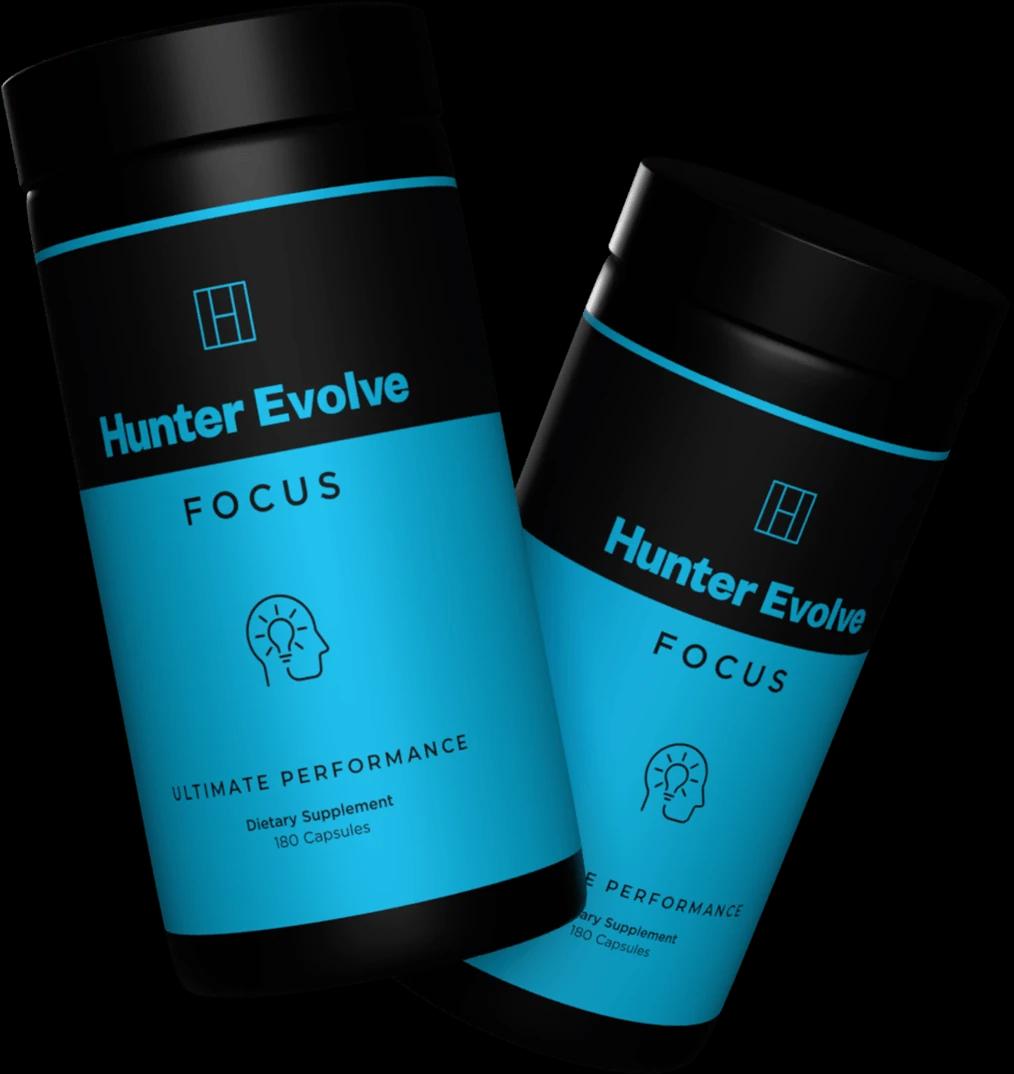
Hunter Focus puts caffeine, theanine and citicoline at the amounts the studies used in one serving, and it prints all 20 of its amounts. But do the other ingredients in six capsules pull their weight, and is $3.00 a serving worth it with no refund once the bottle's open? To find out, we've gone through all 20 ingredients, compared each amount with the published studies, read the return policy, and looked at what expert reviewers and buyers have to say.
Quick verdict
Our scientific audit
Buyer rating
- Price per serving$3.00
- Study doses met3 of 14
- Caffeine100 mg
- Money-back guaranteeNone
- Third-party testingUnverified, no report published
- Servings per bottle30
Costs $6.44 a day less than buying 13 of these 14 ingredients as separate bottles at the doses studies used. See the list.
Better-rated alternatives
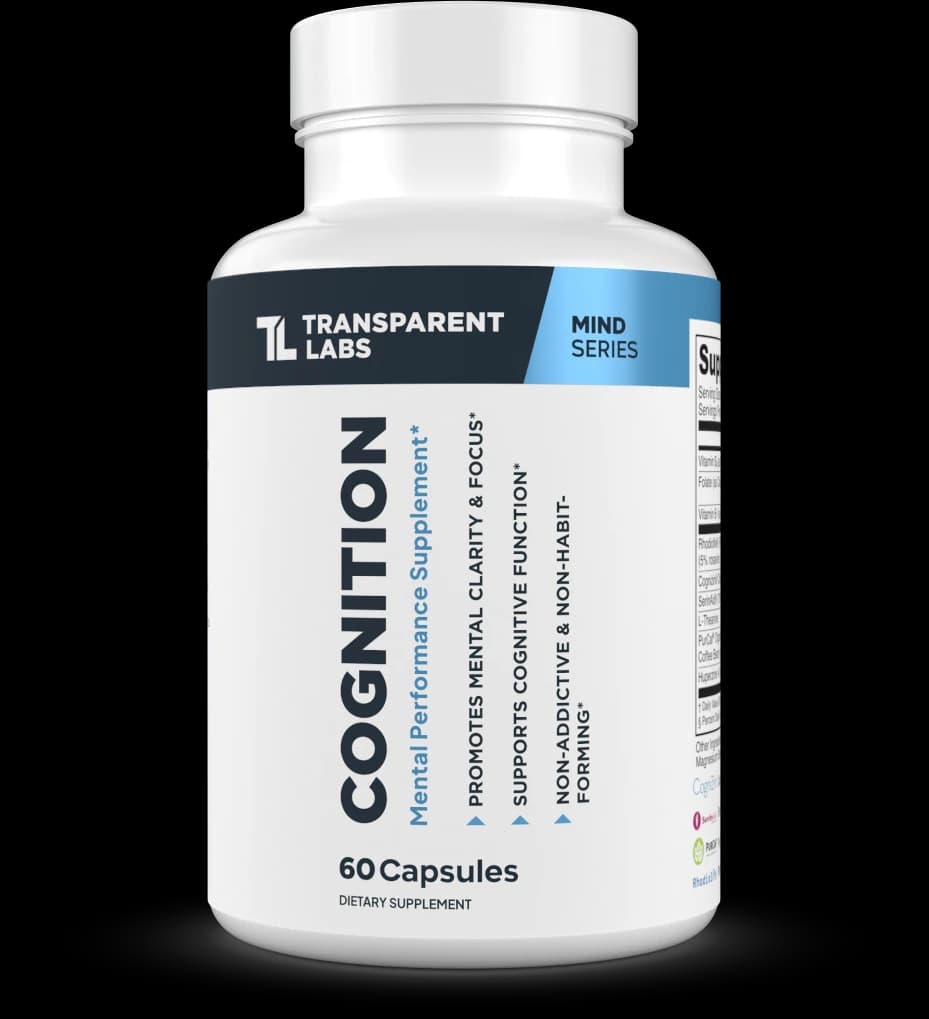 Transparent Labs CognitionScientific auditScientific audit 8.1/10Buyer ratingBuyer rating 9.7/10
4 of 6 ingredients at studied amounts
Shares 5 ingredients with Hunter Focus
Check price$1.67 a day
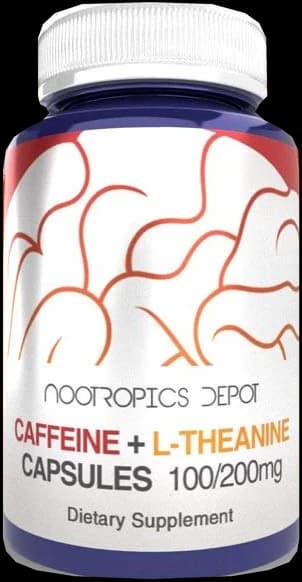 Caffeine + L-Theanine 100 mg / 200 mg CapsulesScientific auditScientific audit 9.5/10Buyer ratingBuyer rating 8.8/10
2 of 2 ingredients at studied amounts
Shares 2 ingredients with Hunter Focus
Check price$0.33 a day
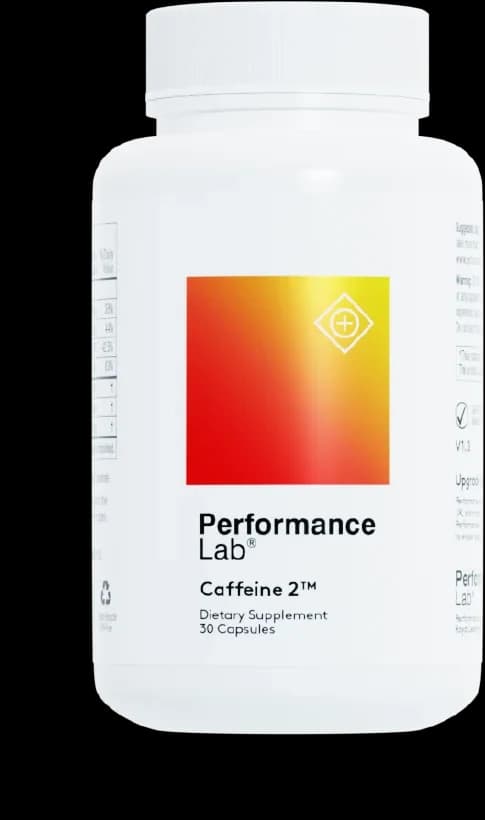 Caffeine 2Scientific auditScientific audit 7.2/10Buyer ratingBuyer rating 8.8/10
2 of 3 ingredients at studied amounts
Shares 3 ingredients with Hunter Focus
Check price$1.47 a day
See where Hunter Focus ranks among every nootropic supplement we've reviewed.
We may earn a commission from links on this page, at no extra cost to you. How we make money
In this review
What's good, and what isn't
Pros
- Caffeine (100 mg), theanine (200 mg) and citicoline (250 mg) are within the doses the studies used
- Every one of the 20 amounts is printed, with no blends
Cons
- Bacopa, ashwagandha and ginkgo don't say which extract they are, and seven more ingredients fall short, lion's mane by 1,300 mg and phosphatidylserine by 200 mg
- $3.00 a serving, with no refund once a bottle is opened and unopened returns closing after 30 days
- Amazon buyers rate it 3.5 out of 5 across 16 ratings, and 35% of those ratings are one or two stars
Why Hunter Focus scored 4.3 out of 10
- Dose fit40%49
Caffeine, theanine and citicoline reach their studied ranges. Bacopa, ashwagandha and ginkgo reach theirs in milligrams, but the label doesn't say which extract, so they earn half credit. Acetyl-L-carnitine, tyrosine, lion's mane, phosphatidylserine, pine bark, rhodiola and ginseng fall short, by 75 mg to 1,500 mg, and Spanish sage has no studied range on file.
- Evidence30%34
Caffeine and theanine carry solid research at these amounts. The extracts with no stated strength count for half, and the short ingredients count only for their share of the studied amount.
- Transparency20%65
All 20 amounts are printed and there are no blends, but none of the plant extracts states a standardization, and the panel prints vitamin B12 and D3 in milligrams where micrograms are meant.
- Testing10%0
We found no lab report, testing program or NSF listing for Hunter Focus, and no trial of the product.
Worked out under method audit-v2.0. How the rating is built
Score history
Nov 25, 2026 First audit published (4.3)
We checked the label, compared each dose with the human research and published the review.
Hunter Focus scores 4.3, with three ingredients at the amounts used in studies, caffeine, theanine and citicoline. Bacopa, ashwagandha and ginkgo reach their amounts too, but earn half credit because the label doesn't identify the extracts. Seven more contain 75 mg to 1,500 mg less than the studies used, phosphatidylserine among them. Spanish sage has no research range on file, and we found no trial of Hunter Focus itself.6
Verification scores zero, because we found no lab report or testing program. Printing how strong the extracts are would raise the score, as would fewer ingredients at fuller amounts and a lab report anyone can read.
The claims, checked
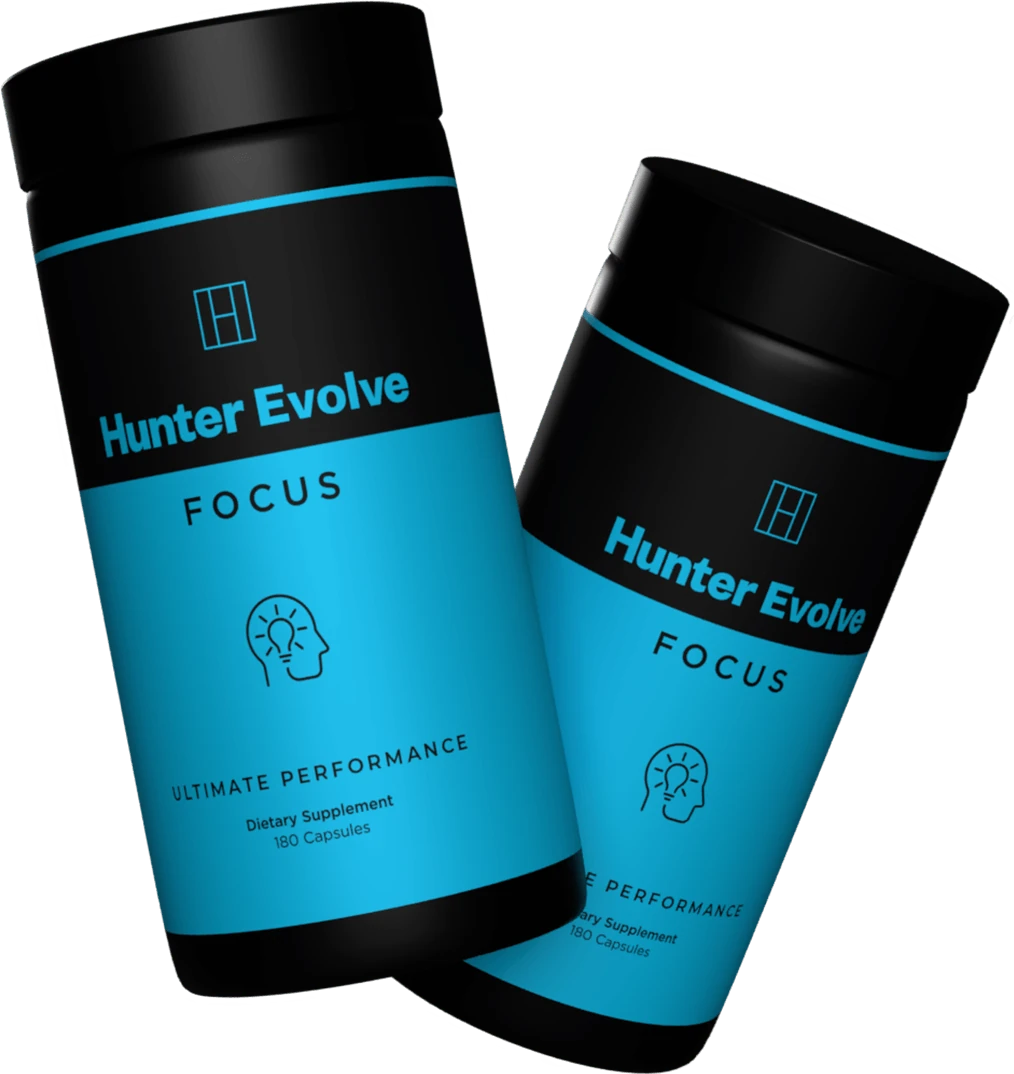
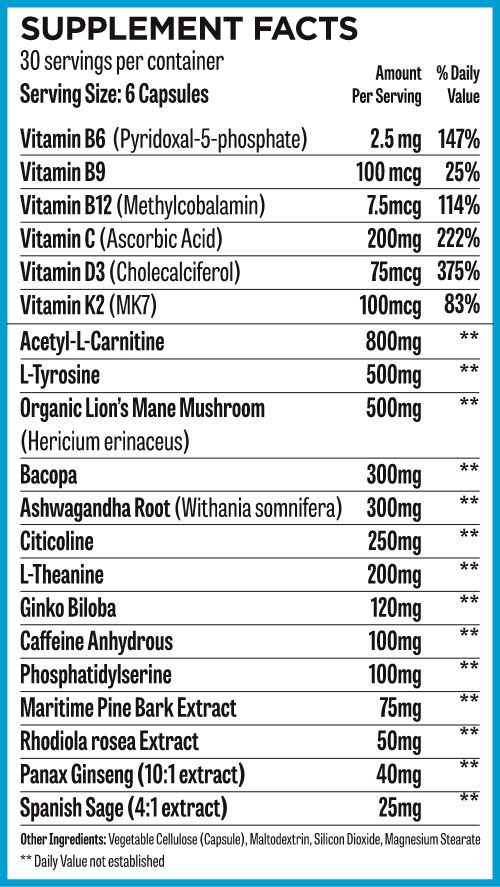
The facts table on the brand's ingredients page agrees with all 20 amounts in our records, apart from two unit misprints, vitamin B12 as "7.5mg" and D3 as "75mg", which the label image above prints correctly in micrograms.2 Six capsules make one serving, so the 180-capsule bottle contains 30 servings.
Directions on the product page are six capsules daily for at least three months.1 The other ingredients are vegetable cellulose for the capsule, maltodextrin, silicon dioxide and magnesium stearate. The table also misspells "Pyridoxial", and both the table and the label spell ginkgo as "Ginko".
“Hunter Focus uses a 10:1 extract meaning that the 40 mg dosage represents 400 mg, which is the ideal dosage for cognitive benefits.”
Doesn't hold upThe product page gives this explanation for its ginseng amount.1 In the trials, 200 mg and 400 mg referred to G115, an extract made to a set strength for its active compounds, rather than raw root.3334
The 10:1 ratio describes how much root went in. It doesn't establish how much of the active compounds came out, so it doesn't make 40 mg equivalent to 400 mg of the trial extract.
“An earlier study (2014) found similar results in healthy professionals aged 35-55.”
PartlyThis pine bark claim appears on the product page.1 The 2014 study found better attention and mental performance in professionals aged 35 to 55. They took 150 mg of Pycnogenol daily alongside a health plan, in a registry study rather than a randomized trial.30
The bottle contains 75 mg, compared with that study's 150 mg, and names neither the extract nor its strength.
“Spanish sage appears to be a seriously effective nootropic for the improvement of cognition”
PartlyTwo studies accompany this statement on the product page.1 The first found improved word recall in young adults after single doses of 50 microliters of Spanish sage essential oil.35
The second gave 94 adults 600 mg daily of a branded two-sage mix for 29 days and found better working memory.36 The bottle's 25 mg of a 4:1 extract differs in both form and amount from what those studies used.
“Why don't you now begin to enjoy the edge Hunter Focus is guaranteed to deliver?”
Doesn't hold upThe product page asks this, but the returns policy offers no guarantee on results.1 Returns cover unused, unopened, sealed bottles within 30 days of delivery in the US and Canada, or 14 days elsewhere. Refunds exclude shipping and handling.3
The terms also state that used or opened items can't be returned.4 You can't open a bottle to find out whether it works for you and then return it.
“Hunter Focus utilizes safe, tested ingredients”
UnverifiedThe product page says this, and adds that every capsule is made in US and UK facilities that follow the FDA's manufacturing rules.1 We found no lab report, testing program or batch lookup on the site, and NSF doesn't list the product.5 Following manufacturing rules isn't the same as an outside lab checking what's in the capsules.
What's inside, audited
14 ingredients checked, 3 meet the study dose, 7 short, 3 above the range or at half credit, 1 with no studied range.
Meets study dose (citicoline, L-theanine, caffeine). Short (acetyl-L-carnitine, L-tyrosine, phosphatidylserine, lion's mane, pine bark, ginseng, rhodiola). Above the range or at half credit (ashwagandha, bacopa, ginkgo). No studied range (Spanish sage).
anhydrous · Strong evidence
Doses used in studies that showed a benefit
Hunter Focus has 100 mg, between the 40 and 300 mg single doses used in studies that showed a benefit.7
Study dose benchmark from McLellan 2016, about 40 to 300 mg a dose, across the trials it reviews7
Caffeine comes as 100 mg of caffeine anhydrous, about as much as a cup of coffee. Research reviews find reliable improvements in attention and alertness at 40 to 300 mg, so this amount fits.7
Moderate evidence
Doses used in studies that showed a benefit
Hunter Focus has 200 mg, between the 100 mg single dose and the 400 mg a day used in studies that showed a benefit.9
Study dose benchmark from Dassanayake 2023, One dose of 100, 200 or 400 mg
Theanine provides 200 mg, the amount most of its research uses. A 2026 analysis of 31 randomized trials found faster choice reaction time after one 200 mg dose.9 In a four-week trial of 30 adults on 200 mg daily, verbal fluency and executive function scores rose, but only verbal fluency, in the people who started lowest, beat placebo.10
generic (no Cognizin) · Preliminary evidence
Doses used in studies that showed a benefit
Hunter Focus has 250 mg, the lowest daily dose used in studies that showed a benefit.11
Study dose benchmark from McGlade 2012, 250 or 500 mg a day, 28 days11
Citicoline provides 250 mg in a plain form rather than Cognizin, the branded form used in most trials. That amount helped attention over four weeks in 60 women aged 40 to 60.11
The teenage-boys trial combined its 250 mg and 500 mg groups in the results.12 The clearest adult finding came at 500 mg a day for 12 weeks, in 100 adults aged 50 to 85.13
Moderate evidence
Doses used in studies that showed a benefit
Hunter Focus has 100 mg. The study dose we use as this ingredient's benchmark is 300 mg, so it's 200 mg short.14
Study dose benchmark from Crook 1991, 100 mg three times a day, 12 weeks14
Phosphatidylserine comes in at 100 mg, a third of the 300 mg we use as the benchmark, and the label doesn't identify its source. That benchmark comes from the clearest result, 300 mg a day of a cow-brain extract that's no longer sold.14 A 2010 trial of soy-based phosphatidylserine at 100 mg or 300 mg found scores rose in every group, placebo included. Only in people who started with low scores did memory rise against their own starting point while the placebo group's stayed level.15
standardization not stated · Strong evidence
Doses used in studies that showed a benefit
Hunter Focus has 300 mg, between the 250 mg a day and the 640 mg single dose used in studies that showed a benefit, but the label doesn't confirm the form or extract those studies tested, so it earns half credit.16
Study dose benchmark from Raghav 2006, 125 mg twice a day, 12 weeks
Bacopa matches the 12-week trials at 300 mg, but the label leaves out how much of the extract is bacosides. Those trials used extracts containing 40 to 55 percent bacosides, so we can't confirm a match.1617 A 2014 analysis of nine trials found faster attention.18
extract type not stated · Moderate evidence
Doses used in studies that showed a benefit
Hunter Focus has 300 mg, the lowest daily dose used in studies that showed a benefit, but the label doesn't confirm the form or extract those studies tested, so it earns half credit.19
Study dose benchmark from Gopukumar 2021, 300 mg once a day, 90 days20
Ashwagandha supplies 300 mg of root without naming an extract, while the trials used specific extracts. One gave 64 stressed adults 300 mg of concentrated root extract twice daily for 60 days, and their stress scores and cortisol fell.19
Another gave 130 stressed adults 300 mg a day of a slow-release extract for 90 days and found improvements in memory and focus.20
standardization not stated · Moderate evidence
Doses used in studies that showed a benefit
Hunter Focus has 120 mg, the lowest daily dose used in studies that showed a benefit, but the label doesn't confirm the form or extract those studies tested, so it earns half credit.21
Study dose benchmark from Le Bars 1997, 120 mg a day, 52 weeks
Ginkgo provides 120 mg, which matches our benchmark, but the label doesn't say how strong the extract is, so it earns half credit. The clearest trial used 240 mg daily of EGb 761, an extract made to a set strength, in people with dementia.21 A 2012 analysis of trials in healthy people found no effect on memory, attention or executive function.22
Moderate evidence
Doses used in studies that showed a benefit
Hunter Focus has 800 mg. The study dose we use as this ingredient's benchmark is 1,500 mg, so it's 700 mg short.23
Study dose benchmark from Yang 2018, 500 mg three times a day, 28 weeks
Acetyl-L-carnitine comes in at 800 mg, below the 1,500 to 3,000 mg a day used in studies lasting three months or more in people with mild cognitive impairment or early Alzheimer's disease.23
A Cochrane review of 11 trials in Alzheimer's found no evidence of a benefit for cognition itself.24 We couldn't find a trial in healthy adults.
Moderate evidence
Doses used in studies that showed a benefit
Hunter Focus has 500 mg. The study dose we use as this ingredient's benchmark is 2,000 mg, so it's 1,500 mg short.25
Study dose benchmark from Colzato 2013, 2,000 mg, single dose
Tyrosine provides 500 mg, compared with about 10 g for an average adult in a 1999 study. Participants took 150 mg per kilogram of body weight and showed better working memory during multitasking.25 In older adults, higher single doses of 100 to 200 mg per kilogram produced slightly worse working memory in 2017.26
organic, form not stated · Preliminary evidence
Doses used in studies that showed a benefit
Hunter Focus has 500 mg. The study dose we use as this ingredient's benchmark is 1,800 mg, so it's 1,300 mg short.27
Study dose benchmark from Docherty 2023, 1.8 g, one dose and then 28 days28
Lion's mane supplies 500 mg of organic mushroom without identifying the form. The trial that found a benefit used 3,000 mg daily of tablets made of 96 percent dried fruiting body powder, about 2,880 mg of powder, for 16 weeks in 30 adults aged 50 to 80 with mild cognitive impairment.27
A study in 41 young adults used 1,800 mg daily for 28 days, also more than this bottle's 500 mg. It found little beyond a faster score on one test after the first dose.28
standardization not stated · Preliminary evidence
Doses used in studies that showed a benefit
Hunter Focus has 75 mg. The study dose we use as this ingredient's benchmark is 150 mg, so it's 75 mg short.29
Study dose benchmark from Ryan 2008, 150 mg a day, 3 months29
Maritime pine bark provides 75 mg without saying how strong the extract is, compared with 150 mg daily of branded Pycnogenol in the trials. That amount improved working memory over three months in 101 adults aged 60 to 85.29 A 12-week registry study in 59 professionals aged 35 to 55 also found better attention and mental performance.30
standardization not stated · Moderate evidence
Doses used in studies that showed a benefit
Hunter Focus has 50 mg. The study dose we use as this ingredient's benchmark is 170 mg, so it's 120 mg short.31
Study dose benchmark from Darbinyan 2000, 170 mg a day, 2 weeks
Rhodiola contains 50 mg, well below the 170 mg a day we use as the benchmark, and the label doesn't state the extract's strength. A 20-day study of 100 mg of SHR-5 in students during exams reported less mental fatigue, though its authors called that dose probably too low.31 Another study used 576 mg daily for four weeks and helped 60 adults with stress-related fatigue.32
10:1 extract · Preliminary evidence
Doses used in studies that showed a benefit
Hunter Focus has 40 mg. The study dose we use as this ingredient's benchmark is 200 mg, so it's 160 mg short.33
Study dose benchmark from Reay 2005, 200 or 400 mg, single dose33
Ginseng contains 40 mg of a 10:1 extract, while the trials used 200 mg and 400 mg of G115, an extract made to a set strength. The 40 mg is 160 mg less than the smaller amount. One 200 mg dose improved mental arithmetic and reduced mental fatigue in 30 young adults.33
Over eight days, 400 mg improved calmness and arithmetic, while 200 mg slowed arithmetic.34
Also on the label is Spanish sage 25 mg. We have no verified human dose range on file for Spanish sage, so it stays in the formula count, earns nothing for dose and only a small fixed credit for evidence, which lowers the score.
Also on the label are vitamin B6 2.5 mg, folate 100 mcg, vitamin B12 7.5 mcg, vitamin C 200 mg, vitamin D 75 mcg, vitamin K2 100 mcg. These have no cognitive dose range for people who aren't deficient, so they don't count toward the formula score.
Spanish sage contains 25 mg of a 4:1 extract. It earns no points because there's no research range on file. The six vitamins sit at or near their daily values, but B vitamins haven't been shown to help memory in people who aren't low in them.37
All 20 amounts are printed, with none hidden in blends, so we can make these comparisons. The missing detail is the strength of every plant extract. For bacopa, ashwagandha, ginkgo and pine bark, that determines whether the amount matches the trials.
What it was like to take
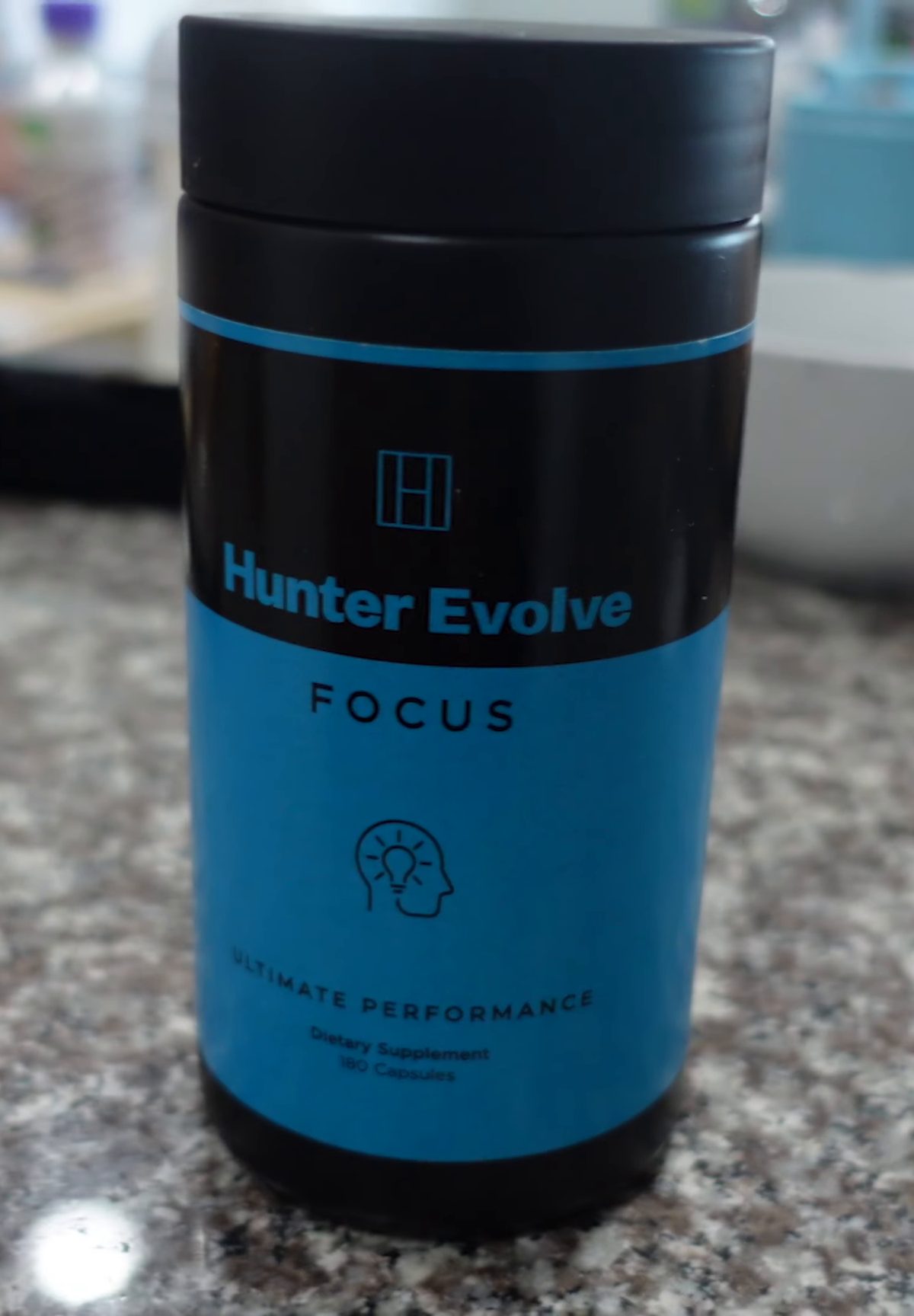
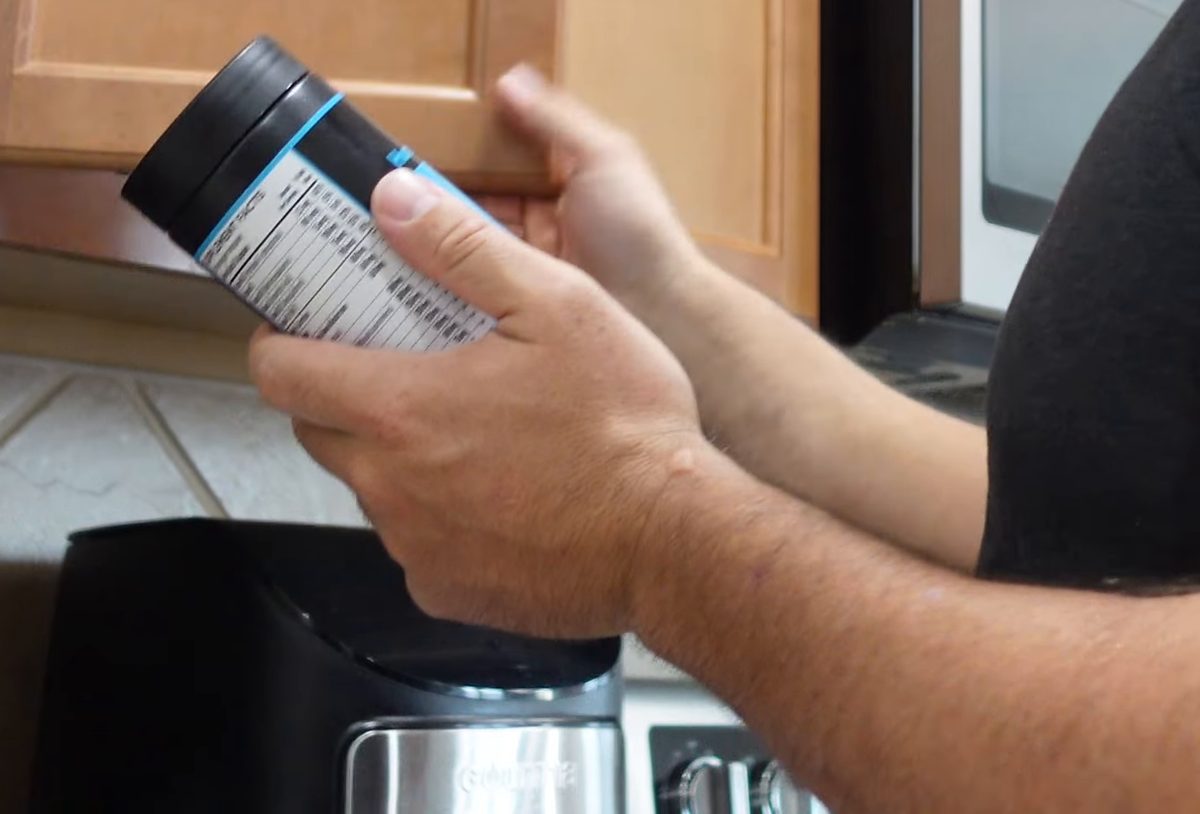
Settling into demanding work was easier on Hunter Focus, and I liked it most when I had a presentation to prepare or a long report to finish. The catch was keeping up with six capsules a day.
For four weeks I split the six-capsule daily serving between breakfast at about eight and lunch around noon. Hunter Focus already contains caffeine, so my usual coffee stayed out, along with any other focus supplement.
I could manage it at home, but on days when I went out for lunch I had to remember to bring the second portion with me. Taking three and then remembering the other three made the routine more noticeable than a two-capsule product, even if the capsules weren't awkward on their own.
Within about half an hour of breakfast I noticed a lift in alertness, which was enough to make getting started feel easier. I wasn't buzzing or rushing through things, but after a long stretch at the screen I still wanted a break.
Work I tend to put off was where the clearest difference showed. I had a set of slides that needed cutting down and found it easier to work through them without checking my inbox after every couple of edits. I was also more willing to stay with the fiddly parts until they were finished.
The lunchtime capsules seemed to carry that into the early afternoon, and by late afternoon the extra alertness was less obvious but there was no sudden crash. Over the month a busy to-do list bothered me less as well.
I didn't notice a convincing change in memory, so I wouldn't buy it specifically to remember more. Feeling more awake doesn't tell me what each ingredient contributed either, which made the rest of the formula hard to judge apart from the caffeine.
On this routine, with the last capsules around noon, I slept normally and didn't notice jitters, but I wouldn't assume that would hold if I pushed the second portion later in the day. Remembering the second portion was the recurring annoyance, and I also missed having my normal coffee without thinking about the caffeine adding up.
Taking it with food, I had no stomach trouble during the month. If I already had several other things to take every morning the capsule count would put me off, since it isn't something I'd casually add to a crowded supplement routine.
The listed single bottle is $90.00 for 180 capsules, which at six a day lasts 30 days at $3.00 a day before any promotion. That's a meaningful monthly expense even when the focus feels useful, so I'd compare the final price rather than judge value by the number of capsules in the bottle.
I wouldn't treat it as an opened-bottle trial, since the US return policy only covers unused, unopened and sealed products within 30 days. Six capsules every day and the price would stop me making it an automatic reorder, but I might well buy another bottle for a month with a heavy workload.
Compare it yourself
Hunter Focus against its closest matches
| Product | 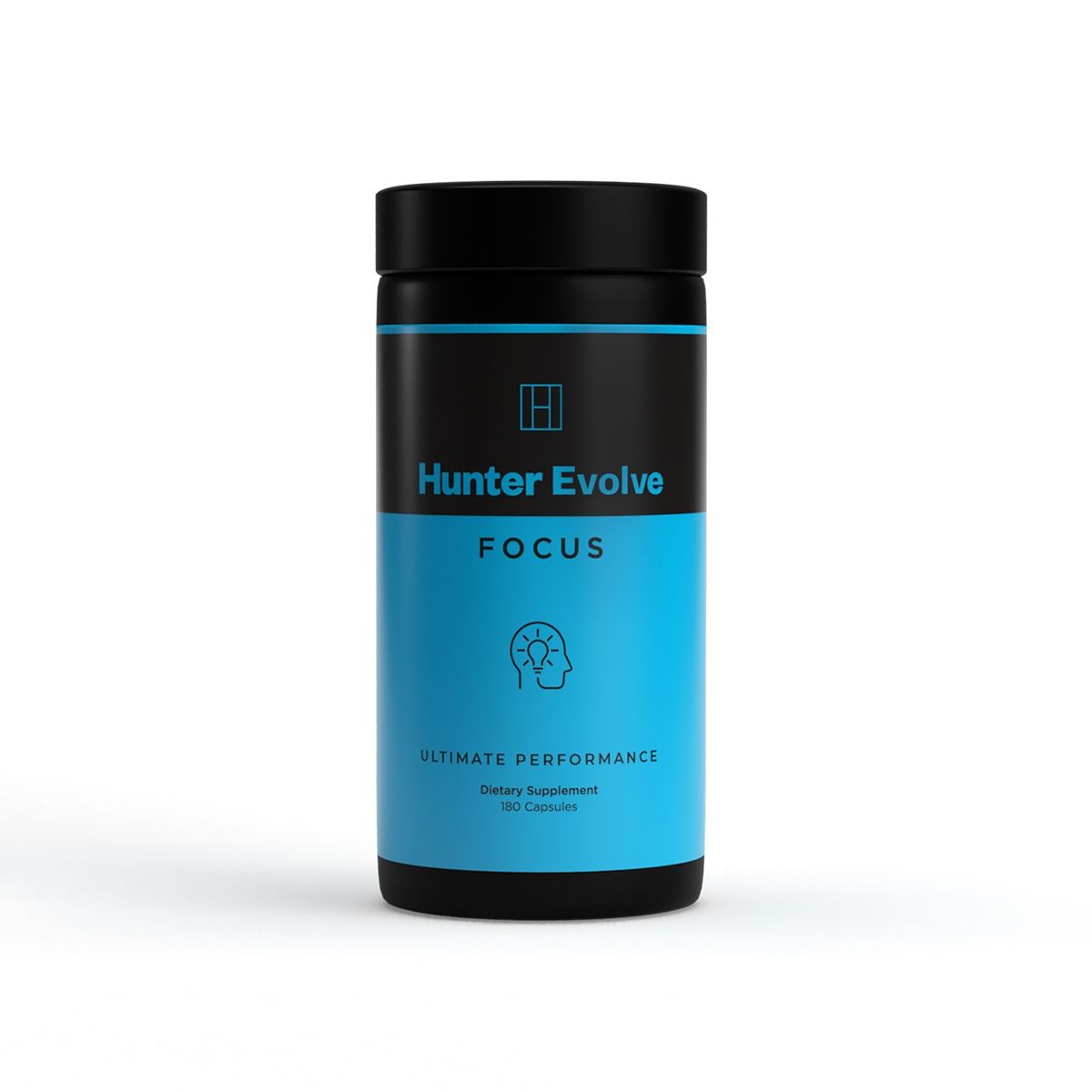 Hunter FocusThis review | 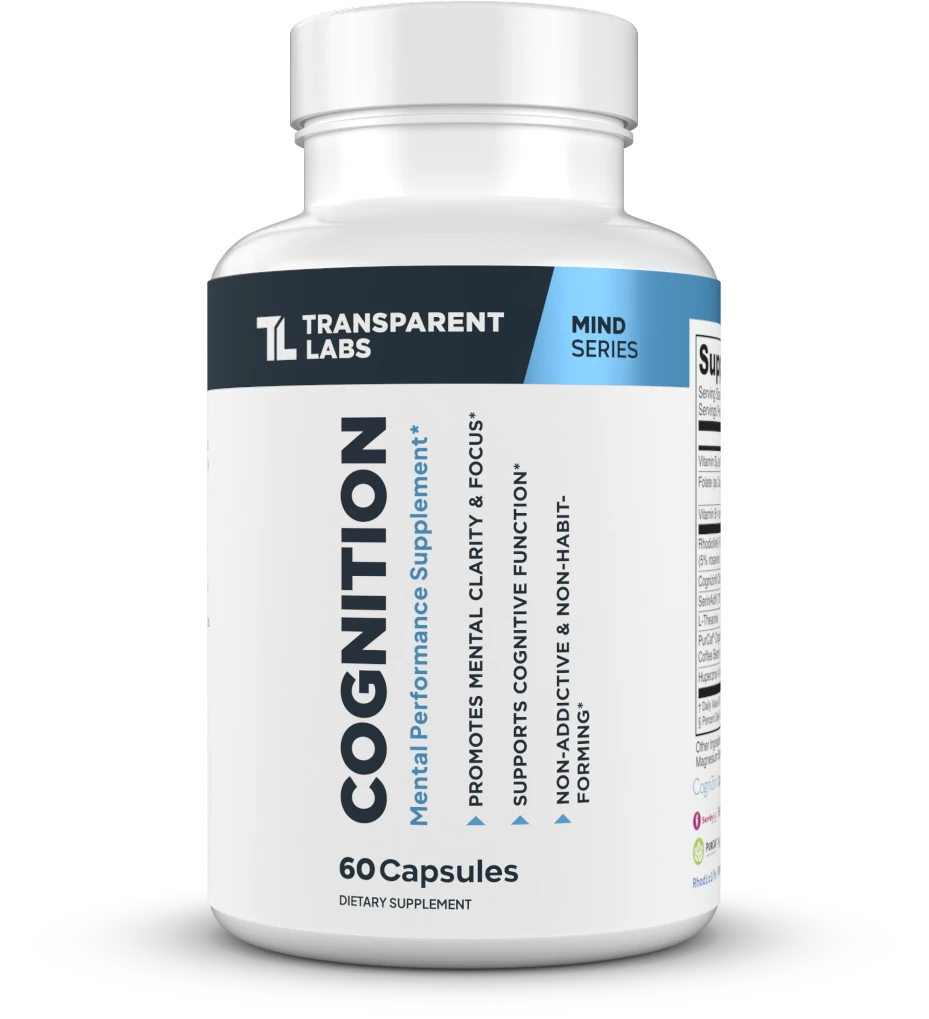 Transparent Labs Cognition | 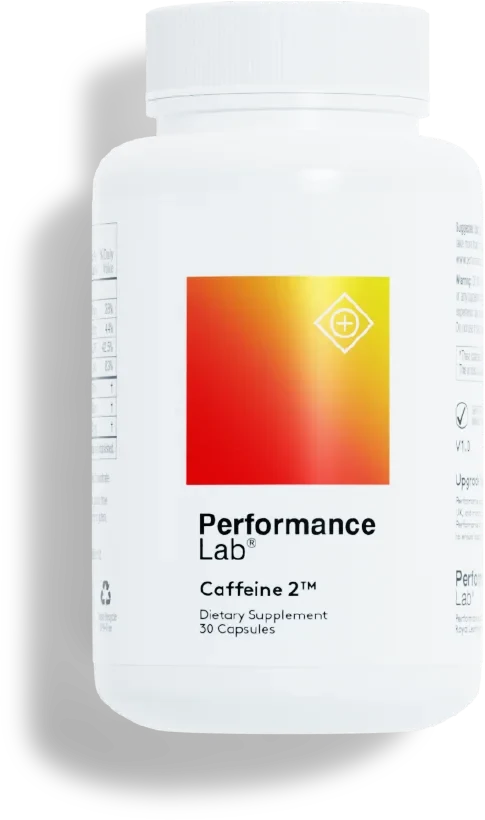 Caffeine 2 | 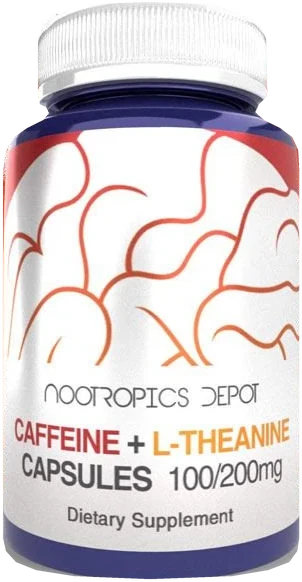 Caffeine + L-Theanine 100 mg / 200 mg Capsules |
|---|---|---|---|---|
| Scientific audit | 4.3/10 | 8.1/10 | 7.2/10 | 9.5/10 |
| Buyer rating | 7.0/10 | 9.7/10 | 8.8/10 | 8.8/10 |
| Price per serving | $3.00 | $1.67 | $1.47 | $0.33 |
| Doses of Hunter Focus's ingredients | ||||
| Acetyl-L-Carnitine | 800 mg700 mg below the study dose benchmark | Not in formula | Not in formula | Not in formula |
| L-Tyrosine | 500 mg1,500 mg below the study dose benchmark | Not in formula | 250 mgL-tyrosine (the page copy says Ajipure)1,750 mg below the study dose benchmark | Not in formula |
| Citicoline | 250 mggeneric (no Cognizin)At or above the study dose benchmark | 250 mgCognizinAt or above the study dose benchmark | Not in formula | Not in formula |
| L-Theanine | 200 mgAt or above the study dose benchmark | 100 mgAt or above the study dose benchmark | 100 mgL-theanineAt or above the study dose benchmark | 200 mgL-theanineAt or above the study dose benchmark |
| Caffeine | 100 mganhydrousAt or above the study dose benchmark | 100 mgPurCaf organic caffeine from green coffee beanAt or above the study dose benchmark | 50 mgnatural caffeine from Coffea robusta seedsAt or above the study dose benchmark | 100 mgcaffeine (anhydrous per the product page)At or above the study dose benchmark |
| Spanish Sage | 25 mg4:1 extractNo cognitive dose range | Not in formula | Not in formula | Not in formula |
| Phosphatidylserine | 100 mg200 mg below the study dose benchmark | 140 mgSerinAid (200 mg at 70% phosphatidylserine)160 mg below the study dose benchmark | Not in formula | Not in formula |
| Lion's Mane Mushroom | 500 mgorganic, form not stated1,300 mg below the study dose benchmark | Not in formula | Not in formula | Not in formula |
| Maritime Pine Bark Extract | 75 mgstandardization not stated75 mg below the study dose benchmark | Not in formula | Not in formula | Not in formula |
| Panax Ginseng | 40 mg10:1 extract160 mg below the study dose benchmark | Not in formula | Not in formula | Not in formula |
| Rhodiola Rosea | 50 mgstandardization not stated120 mg below the study dose benchmark | 600 mgRhodiolife, 5% rosavins, 1.8% salidrosideAt or above the study dose benchmark | Not in formula | Not in formula |
| Ashwagandha | 300 mgextract type not statedHalf credit | Not in formula | Not in formula | Not in formula |
| Bacopa Monnieri | 300 mgstandardization not statedHalf credit | Not in formula | Not in formula | Not in formula |
| Ginkgo Biloba | 120 mgstandardization not statedHalf credit | Not in formula | Not in formula | Not in formula |
The products that share the most cognitive ingredients with Hunter Focus are shown first. Any product sharing at least two can be added.
Transparent Labs Cognition is the closest caffeinated match and costs $1.67 a serving. It provides 100 mg of caffeine and 100 mg of theanine, alongside 250 mg of citicoline, 140 mg of phosphatidylserine and 600 mg of rhodiola. All but the phosphatidylserine reach amounts used in studies.
Vyvamind costs $2.33 a serving from its own site, for 75 mg of caffeine, 150 mg of theanine, 200 mg of citicoline and 300 mg of tyrosine.
At 200 mg, Hunter Focus has more theanine than either of those products, plus a long list of extras. If you're buying it for caffeine, theanine and citicoline at the amounts the studies used, Transparent Labs Cognition provides that combination for about half the price.
Price and where to buy
When we checked hunterevolve.com, one bottle cost $90.00, or $3.00 a serving.1 Two bottles work out the same a serving, the largest bundle brings the cost a serving down, and there's no subscription.
You can also buy it through the brand's own Amazon store.38
- hunterevolve.com direct
- Listed price
- $90.00
- Per serving
- $3.00
- Status
- Order page live, no stock indicator
- Amazon (official store)
- Price
- Check price on Amazon
- Status
- Brand's own Amazon store, checked with delivery to New York 10001
What studied amounts cost separately
Caffeine, theanine and citicoline are the three ingredients that reach the amounts used in studies. All 13 ingredients with a research range are also available separately.
For each ingredient, we've priced a product at the amount the studies started from. We choose these for quality rather than the lowest price available, and check the prices every week.
L-tyrosine 2,000 mg
NOW Foods L-Tyrosine 750 mg, Extra Strength Capsules (not sold on the brand's site)
3 capsules of 750 mg, rounded up
Caffeine 40 mg
1 capsule of 100 mg, rounded up
Lion's mane 1,800 mg
3 capsules of 700 mg, rounded up
Ginseng 200 mg
1 capsule of 200 mg
Tested by a lab Nootropics Depot set up, but it isn't the G115 extract the trial used.
Ginkgo 120 mg
1 capsule of 120 mg
Bought separately
$9.44 a day
$283.27 for 30 servings
Hunter Focus at hunterevolve.com
$3.00 a day
$90.00 for 30 servings
Buying 13 of the 14 separately costs $6.44 a day more ($193.27 for 30 servings). There's no studied amount of Spanish sage to price.
All 13 now have a pick, and bought separately they cost more a day than Hunter Focus. The list has the current figures.
What other reviewers say

Set For Set
Written review, one tester for six weeks · Steve Theunissen, fact checked by Robert Iafelice · Updated Jun 23, 2025
“This is not a perfect supplement - it requires taking six capsules per day and is expensive - but it's among the best nootropics you'll find on the current market.”
WholisticResearch
Written review, three testers · Jacob Kovacs, reviewed by Jason Williams, PhD · Sep 11, 2026
“Overall, Hunter Focus receives our seal of approval as a top-tier brain enhancer on the market.”

SOMA Analytics
Written review, one tester for a month · Alex Whybrow, fact checked by Jason M and the editorial team · Updated Feb 28, 2025
“I would wholeheartedly recommend giving Hunter Focus a trial to see the difference it could make to you both personally and professionally.”

Innerbody Research
Best-of list, "Other popular nootropics" section · Dan Min, medically reviewed by Matt Segar, MD · Updated Sep 13, 2026
“On the other hand, there’s nothing that stands out as harmful or otherwise strange, so Hunter Focus is still a solid, albeit expensive, option.”

Athletic Insight
Written review, one tester for two months · Jan 27, 2026
“Hunter Focus makes the most sense as a targeted tool for high-demand days, not a baseline habit.”
Reviews of the current product are mostly positive, and several reviewers earn a commission on sales. Set For Set used it for six weeks and gives it an overall score of 5.0 without specifying the scale.41 WholisticResearch awards 4.8 out of 5, although its ingredient list carries over the ingredients page's vitamin misprints.42
After a month of use, SOMA Analytics described the change as "relatively minor" and still recommended it.43 Innerbody places it outside its main picks as "a solid, albeit expensive, option."44 Athletic Insight used it for two months and describes a role "for high-demand days."45
Some reviews cover different ingredients. Lift Big Eat Big lists passionflower, which isn't in the current product, and directs readers to Mind Lab Pro.46 The Nootropics Expert comparison also points to Mind Lab Pro.47 Your Inception's review and video concern the older caffeine-free version.48
What buyers report
What buyers wrote
“I am a big fan of their products, especially Hunter Focus.”
“The Hunter focus tablets gave me the worst gut problems you can imagine, griping and burning as soon as I took the recommended dose.”
On the brand's own Amazon listing, 16 ratings average 3.5 out of 5, with 19 percent giving one star.38 There is one review of hunterevolve.com on Trustpilot.39
Roar Ambition's company page averages 4.5 from 102 reviews covering all its brands, and the one review about Hunter Focus comes from a buyer who reported stomach problems.40
Other sellers on Amazon and Walmart also offer "Hunter Focus" capsules with different ingredients, so check that the seller is Roar Ambition before buying.49
Safety notes
The 100 mg of caffeine in a serving plus two mugs of coffee comes to about 290 mg, close to the 400 mg daily ceiling that safety reviews consider reasonable for healthy adults.8 Take it earlier in the day.
Those six capsules contain 20 ingredients, including eight plant and mushroom extracts, and no published study covers the combination. If you take medication, mention the ginkgo, ashwagandha and caffeine to your doctor. Ask a doctor first if you're pregnant or breastfeeding, or have a health condition. If you take levodopa for Parkinson's disease, ask your doctor before taking Hunter Focus, because citicoline's prescription label warns that the two interact, as our citicoline guide explains. We're researchers, not doctors.
Final thoughts
Hunter Focus earns its 4.3 with three ingredients at the amounts the studies used, then loses ground across much of the rest. Caffeine, theanine and citicoline reach those amounts, and all 20 amounts are printed. Most of the remaining 17 ingredients contain less than the studies used or lack a stated extract strength.
At $3.00 a serving, with no refund after opening, we wouldn't choose it for that core alone. Transparent Labs Cognition provides the same kind of caffeine, theanine and citicoline combination at the amounts used in studies for about half the price. Compare those two before committing to a bottle.
FAQ
Does Hunter Focus contain caffeine?
How many capsules do you take?
Is Hunter Focus clinically proven?
Does Hunter Focus have a money-back guarantee?
Is Hunter Focus third-party tested?
Why does the brand's site say 7.5mg of vitamin B12?
Hunter Focus or Transparent Labs Cognition?
Sources
49 sources cited
- Roar Ambition. Hunter Focus product page. Ingredient descriptions and claims, supplement facts, 6 capsules a day, "at least 3 months", one bottle $90.00, two $180.00, four-bottle bundle $270.00. Accessed Oct 20, 2026. hunterevolve.com
- Roar Ambition. Hunter Focus ingredients page. Supplement Facts panel, 6 capsules a serving, 30 servings, 20 amounts, prints vitamin B12 as 7.5mg and D3 as 75mg. Accessed Oct 20, 2026. hunterevolve.com/ingredients
- Roar Ambition. Shipping and returns. Unused, unopened, sealed products within 30 days (US and Canada) or 14 days (UK and elsewhere). Accessed Oct 20, 2026. hunterevolve.com/shipping-returns
- Roar Ambition. Terms and conditions. No returns for used or opened items, refunds minus all shipping and handling fees. Accessed Oct 20, 2026. hunterevolve.com/terms-and-conditions
- NSF International. Certified dietary supplement listings, searches for Hunter, Hunter Focus and Roar Ambition. No matching products found. Accessed Oct 20, 2026. info.nsf.org
- PubMed search for "hunter focus". No trial of the product. Checked Oct 20, 2026. pubmed.ncbi.nlm.nih.gov
- McLellan TM, Caldwell JA, Lieberman HR. A review of caffeine's effects on cognitive, physical and occupational performance. Neurosci Biobehav Rev, 2016. PMID 27612937
- Institute of Medicine. Caffeine in Food and Dietary Supplements. Examining Safety, 2014. NBK223791
- Gerolymos C, et al. Cognitive and affective effects of L-theanine. A systematic review and meta-analysis of 31 randomized trials. Mol Psychiatry, 2026. PMID 42410082
- Hidese S, et al. Effects of L-theanine administration on stress-related symptoms and cognitive functions in healthy adults. A randomized controlled trial. Nutrients, 2019. 200 mg a day for 4 weeks, 30 adults. PMID 31623400
- McGlade E, et al. Improved attentional performance following citicoline administration in healthy adult women. Food Nutr Sci, 2012. 250 or 500 mg a day for 28 days, 60 women aged 40 to 60. DOI 10.4236/fns.2012.36103
- McGlade E, et al. The effect of citicoline supplementation on motor speed and attention in adolescent males. J Atten Disord, 2019 (online 2015). 250 or 500 mg a day for 28 days, dose groups pooled. PMID 26179181
- Nakazaki E, et al. Citicoline and memory function in healthy older adults. A randomized, double-blind, placebo-controlled clinical trial. J Nutr, 2021. 500 mg a day for 12 weeks, 100 adults aged 50 to 85. PMID 33978188
- Crook TH, et al. Effects of phosphatidylserine in age-associated memory impairment. Neurology, 1991. 300 mg a day of bovine cortex phosphatidylserine for 12 weeks, 149 adults. PMID 2027477
- Kato-Kataoka A, et al. Soybean-derived phosphatidylserine improves memory function of the elderly Japanese subjects with memory complaints. J Clin Biochem Nutr, 2010. 100 or 300 mg a day for 6 months, 78 adults aged 50 to 69. PMID 21103034
- Stough C, et al. The chronic effects of an extract of Bacopa monniera (Brahmi) on cognitive function in healthy human subjects. Psychopharmacology, 2001. Keenmind (CDRI 08) for 12 weeks, at 320 mg a day once the authors' 2015 erratum is counted (each capsule held 160 mg, not 150 mg, PMID 26032841). PMID 11498727
- Morgan A, Stevens J. Does Bacopa monnieri improve memory performance in older persons? Results of a randomized, placebo-controlled, double-blind trial. J Altern Complement Med, 2010. 300 mg a day of BacoMind for 12 weeks. PMID 20590480
- Kongkeaw C, et al. Meta-analysis of randomized controlled trials on cognitive effects of Bacopa monnieri extract. J Ethnopharmacol, 2014. 9 trials of 12 weeks or more, 437 participants analysed. PMID 24252493
- Chandrasekhar K, Kapoor J, Anishetty S. A prospective, randomized double-blind, placebo-controlled study of safety and efficacy of a high-concentration full-spectrum extract of Ashwagandha root in reducing stress and anxiety in adults. Indian J Psychol Med, 2012. 300 mg twice a day for 60 days, 64 adults. PMID 23439798
- Gopukumar K, et al. Efficacy and safety of Ashwagandha root extract on cognitive functions in healthy, stressed adults. A randomized, double-blind, placebo-controlled study. Evid Based Complement Alternat Med, 2021. 300 mg a day of a sustained-release extract for 90 days, 130 adults. PMID 34858513
- Herrschaft H, et al. Ginkgo biloba extract EGb 761 in dementia with neuropsychiatric features. A randomised, placebo-controlled trial. J Psychiatr Res, 2012. 240 mg a day for 24 weeks, 402 patients analysed. PMID 22459264
- Laws KR, Sweetnam H, Kondel TK. Is Ginkgo biloba a cognitive enhancer in healthy individuals? A meta-analysis. Hum Psychopharmacol, 2012. No effect on memory, executive function or attention. PMID 23001963
- Montgomery SA, Thal LJ, Amrein R. Meta-analysis of double blind randomized controlled clinical trials of acetyl-L-carnitine versus placebo in the treatment of mild cognitive impairment and mild Alzheimer's disease. Int Clin Psychopharmacol, 2003. 1.5 to 3.0 g a day for 3 to 12 months. PMID 12598816
- Hudson S, Tabet N. Acetyl-L-carnitine for dementia. Cochrane Database Syst Rev, 2003. 11 trials, all in Alzheimer's disease, no evidence of benefit on cognition. PMID 12804452
- Thomas JR, Lockwood PA, Singh A, Deuster PA. Tyrosine improves working memory in a multitasking environment. Pharmacol Biochem Behav, 1999. 150 mg/kg in 20 adults. PMID 10548261
- van de Rest O, et al. Dose-dependent effects of oral tyrosine administration on plasma tyrosine levels and cognition in aging. Nutrients, 2017. 100, 150 or 200 mg/kg, 17 adults aged 60 to 75. PMID 29168741
- Mori K, et al. Improving effects of the mushroom Yamabushitake (Hericium erinaceus) on mild cognitive impairment. A double-blind placebo-controlled clinical trial. Phytother Res, 2009. 3,000 mg a day of tablets made of 96% dried fruiting body powder, about 2,880 mg of powder, for 16 weeks, 30 adults aged 50 to 80. PMID 18844328
- Docherty S, et al. The acute and chronic effects of lion's mane mushroom supplementation on cognitive function, stress and mood in young adults. Nutrients, 2023. 1,800 mg a day for 28 days, 41 adults aged 18 to 45. PMID 38004235
- Ryan J, et al. An examination of the effects of the antioxidant Pycnogenol on cognitive performance, serum lipid profile, endocrinological and oxidative stress biomarkers in an elderly population. J Psychopharmacol, 2008. 150 mg a day for 3 months, 101 adults aged 60 to 85. PMID 18701642
- Belcaro G, et al. Pycnogenol improves cognitive function, attention, mental performance and specific professional skills in healthy professionals aged 35-55. J Neurosurg Sci, 2014. 150 mg a day for 12 weeks with a health plan, registry study, 30 users and 29 controls. PMID 24675223
- Spasov AA, et al. A double-blind, placebo-controlled pilot study of the stimulating and adaptogenic effect of Rhodiola rosea SHR-5 extract on the fatigue of students caused by stress during an examination period. Phytomedicine, 2000. 100 mg a day for 20 days, 40 students. PMID 10839209
- Olsson EM, et al. A randomised, double-blind, placebo-controlled, parallel-group study of the standardised extract SHR-5 of the roots of Rhodiola rosea in the treatment of subjects with stress-related fatigue. Planta Med, 2009. 576 mg a day for 28 days, 60 adults. PMID 19016404
- Reay JL, Kennedy DO, Scholey AB. Single doses of Panax ginseng (G115) reduce blood glucose levels and improve cognitive performance during sustained mental activity. J Psychopharmacol, 2005. Single 200 and 400 mg doses, 30 young adults. PMID 15982990
- Reay JL, Scholey AB, Kennedy DO. Panax ginseng (G115) improves aspects of working memory performance and subjective ratings of calmness in healthy young adults. Hum Psychopharmacol, 2010. 200 and 400 mg a day for 8 days, 30 young adults. PMID 20737519
- Tildesley NT, et al. Salvia lavandulaefolia (Spanish sage) enhances memory in healthy young volunteers. Pharmacol Biochem Behav, 2003. Single doses of 25 to 150 microliters of essential oil, 44 young adults across two trials. PMID 12895685
- Wightman EL, et al. The acute and chronic cognitive effects of a sage extract. A randomized, placebo controlled study in healthy humans. Nutrients, 2021. 600 mg a day of Cognivia (two sage species) for 29 days, 94 adults aged 30 to 60. PMID 33466627
- Clarke R, et al. Effects of homocysteine lowering with B vitamins on cognitive aging. Meta-analysis of 11 trials with cognitive data on 22,000 individuals. Am J Clin Nutr, 2014. PMID 24965307
- Amazon listing B0CFFZT1DC, Hunter Focus 180 capsules, brand's own store (sold by RoarAmbitionDirect). 3.5 out of 5 from 16 ratings (54% five-star, 19% one-star). Checked with delivery to New York 10001, Oct 20, 2026. amazon.com
- Trustpilot reviews of hunterevolve.com. 3.6 from 1 review (Aug 2022). Checked Oct 20, 2026. trustpilot.com
- Trustpilot reviews of roarambition.com. 4.5 from 102 reviews across all of Roar Ambition's brands, one review mentions Hunter Focus. Checked Oct 20, 2026. trustpilot.com
- Theunissen S. Hunter Focus review. Set For Set, updated Jun 23, 2025. overall score 5.0, scale not stated, one tester for six weeks, affiliate links. Accessed Oct 20, 2026. setforset.com
- Kovacs J. Hunter Focus review. WholisticResearch, Sep 11, 2026. Overall rating 4.8 out of 5. Accessed Oct 20, 2026. wholisticresearch.com
- Whybrow A. Hunter Focus review. SOMA Analytics, updated Feb 28, 2025. No score, one tester for a month, affiliate links. Accessed Oct 20, 2026. soma-analytics.com
- Min D. Best nootropics. Innerbody Research, updated Sep 13, 2026, medically reviewed by Matt Segar, MD. Hunter Focus in "Other popular nootropics", no score. Accessed Oct 20, 2026. innerbody.com
- Athletic Insight. Hunter Focus review, Jan 27, 2026. No score, one tester for just over two months. Accessed Oct 20, 2026. shop.athleticinsight.com
- Lift Big Eat Big. Hunter Focus review, Oct 4, 2025. No score, lists passionflower, which the current formula doesn't contain. Accessed Oct 20, 2026. shop.liftbigeatbig.com
- Tomen D. Hunter Focus vs Mind Lab Pro. Nootropics Expert, Oct 18, 2025. No score, Mind Lab Pro preferred. Accessed Oct 20, 2026. nootropicsexpert.com
- Gostincar G. Hunter Focus review. Your Inception, Oct 13, 2021. Describes the older caffeine-free, nine-ingredient formula. Accessed Oct 20, 2026. yourinception.com
- Amazon listing B0C5P89KKF, "Hunter Focus Capsules" by brand kivus (seller TOPCEUTICALS). A different product, with taurine, mucuna, vitamin B12, ginkgo and niacin. A matching Walmart listing is sold by a third party. Checked Oct 20, 2026. amazon.com
Where this data comes from
- Price source
- hunterevolve.com $90.00 for 30 servings
- Third-party testing
- Nothing published. Not listed by NSF
- How we reviewed it
- Taken for four weeks by Adam Collins, plus a label and evidence audit
Our scoring method, weights, and the rules that keep affiliate money away from scores are documented on the editorial process page.
Top Rated Nootropics is an independent research and review platform. We are passionate supplement researchers, not medical professionals. Always consult a qualified healthcare provider before starting any supplement regimen. These statements have not been evaluated by the Food and Drug Administration. These products are not intended to diagnose, treat, cure, or prevent any disease.