Thesis Neuroprotection Review 2026
 James BevanUpdated November 4, 2026
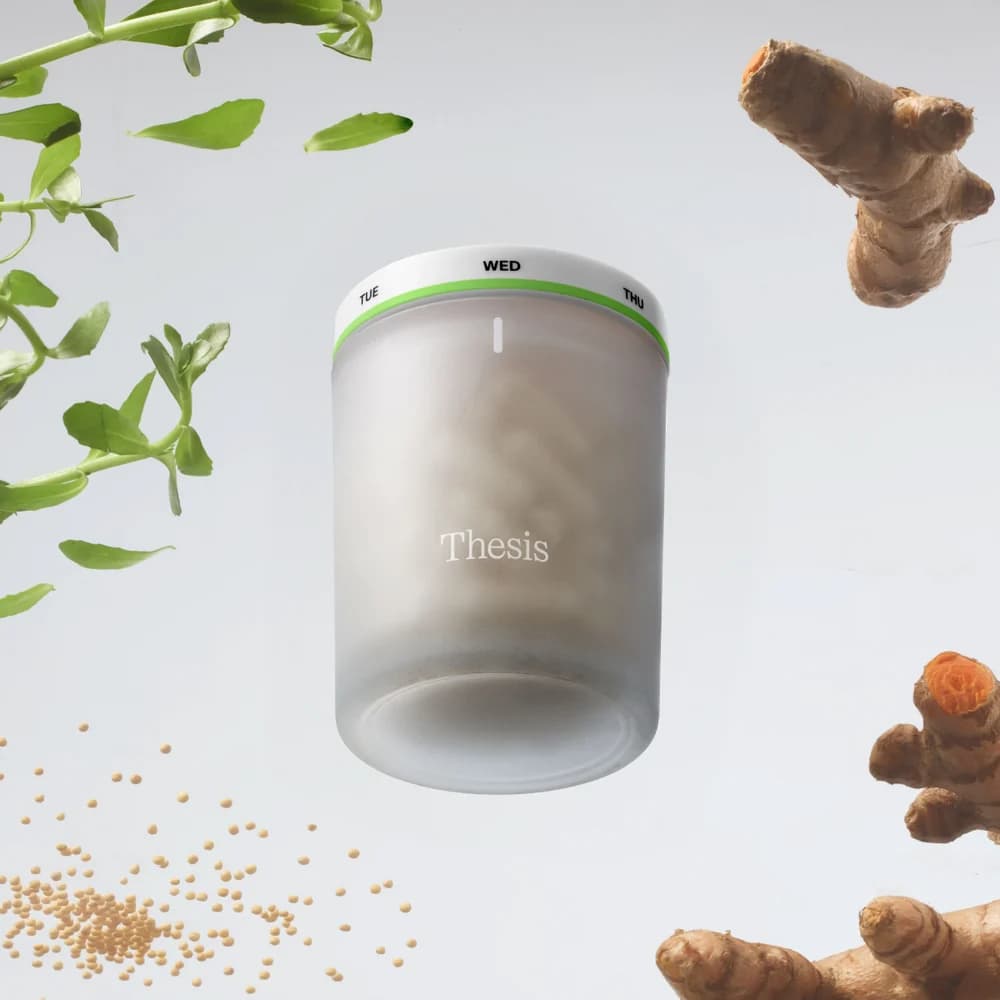
Neuroprotection is Thesis's long-term brain health blend, with 12 ingredients in two capsules, from bacopa and ginkgo to broccoli seed, CoQ10, NADH and spermidine. But are those ingredients in the forms and amounts their research used? To find out, we've checked every dose and extract against the published studies, looked for a lab report, read the refund terms and checked what buyers have to say.
Quick verdict
Our scientific audit
Buyer rating
- Price per serving$5.16
- Doses in range4 of 11
- Caffeine100 mg
- Money-back guarantee30 days
- Third-party testingUnverified, no reports published
- Servings per bottle25
Costs about the same as buying these ingredients as separate bottles at the doses studies used. See the list.
Better-rated alternatives
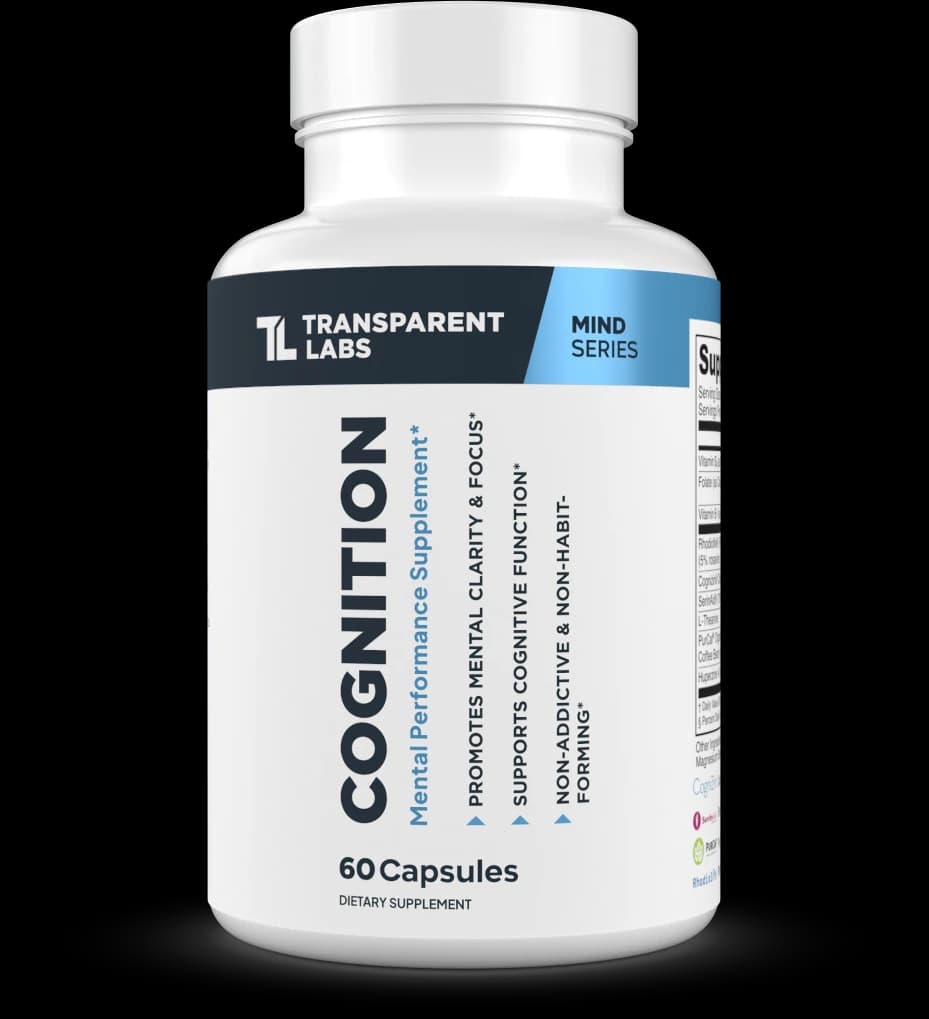 Transparent Labs CognitionScientific auditScientific audit 7.8/10Buyer ratingBuyer rating 9.7/10
4 of 6 ingredients at studied amounts
Shares 2 ingredients with Thesis Neuroprotection
Check price$1.67 a day
 Caffeine + L-Theanine 100 mg / 200 mg CapsulesScientific auditScientific audit 9.4/10Buyer ratingBuyer rating 8.8/10
2 of 2 ingredients at studied amounts
Shares 2 ingredients with Thesis Neuroprotection
Check price$0.33 a day
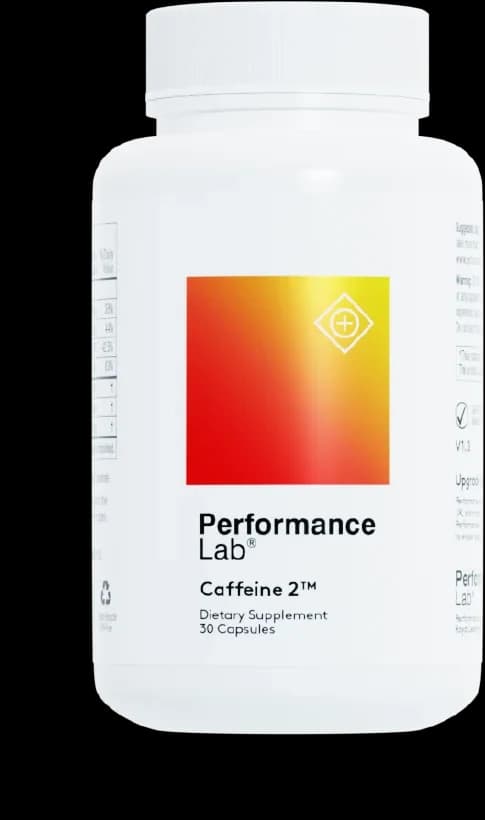 Caffeine 2Scientific auditScientific audit 7.2/10Buyer ratingBuyer rating 8.8/10
2 of 3 ingredients at studied amounts
Shares 2 ingredients with Thesis Neuroprotection
Check price$1.47 a day
We may earn a commission from links on this page, at no extra cost to you. How we make money
In this review
What's good, and what isn't
Pros
- Every ingredient is printed with its amount, and the extracts carry their standardizations or brand names
- Caffeine, theanine, PQQ and NADH reach the amounts their studies used
- A full refund for any reason on your first order, within 30 days of delivery
Cons
- Bacopa, ginkgo and turmeric aren't in the forms their trials used, so each gets half credit at most
- The CoQ10 is listed by phytosome weight, about 20 mg of CoQ10 against a 100 mg benchmark
- No lab report is published, and the one-time price is among the highest we've audited
Why Thesis Neuroprotection scored 5.2 out of 10 in our scientific audit
- Dose fit40%59
Caffeine, theanine, PQQ and NADH earn full credit. Bacopa at 20% bacosides, ginkgo without 24/6 printed, turmeric at about 120 mg curcuminoids and CoQ10 listed by phytosome weight get half credit at most, and glucoraphanin is about 16 of 30 mg. Spermidine and mustard seed have no range, and selenium isn't scored.
- Evidence30%40
Each ingredient's evidence counts in proportion to its dose credit, so the half credits for bacopa, ginkgo, turmeric and CoQ10 halve their evidence too. PQQ, NADH and CoQ10 also rest on small or early trials.
- Transparency20%80
Every amount is printed and nothing sits in a blend. It loses points because we read the label from the brand's image, the curcuminoids and glucoraphanin have to be worked out from percentages, and the label doesn't print how much CoQ10 is in the phytosome.
- Testing10%0
Thesis shows a third-party tested badge, but we found no certificate or lab report for Neuroprotection.
Worked out under method audit-v2.0. How the rating is built
Score history
Nov 4, 2026 First audit published (5.2)
We checked the label, compared each dose with the human research and published the review.
Neuroprotection packs 12 ingredients into two capsules, and on paper most of them are close to the amounts in their studies. Read the forms, though, and the picture changes. Caffeine, theanine, PQQ and NADH get full credit. The three with the most memory research, bacopa, ginkgo and turmeric, are in forms their trials didn't use, so each gets half credit at most. The CoQ10 is listed by the weight of a branded phytosome rather than the CoQ10 inside it, and that also halves its credit.
Every amount is printed, so transparency stays fairly high, although we had to work out the curcuminoids and glucoraphanin from percentages, and the label doesn't print how much CoQ10 is in the phytosome. Testing scores zero. Thesis says it checks every batch, but we found no report for Neuroprotection.
The claims, checked
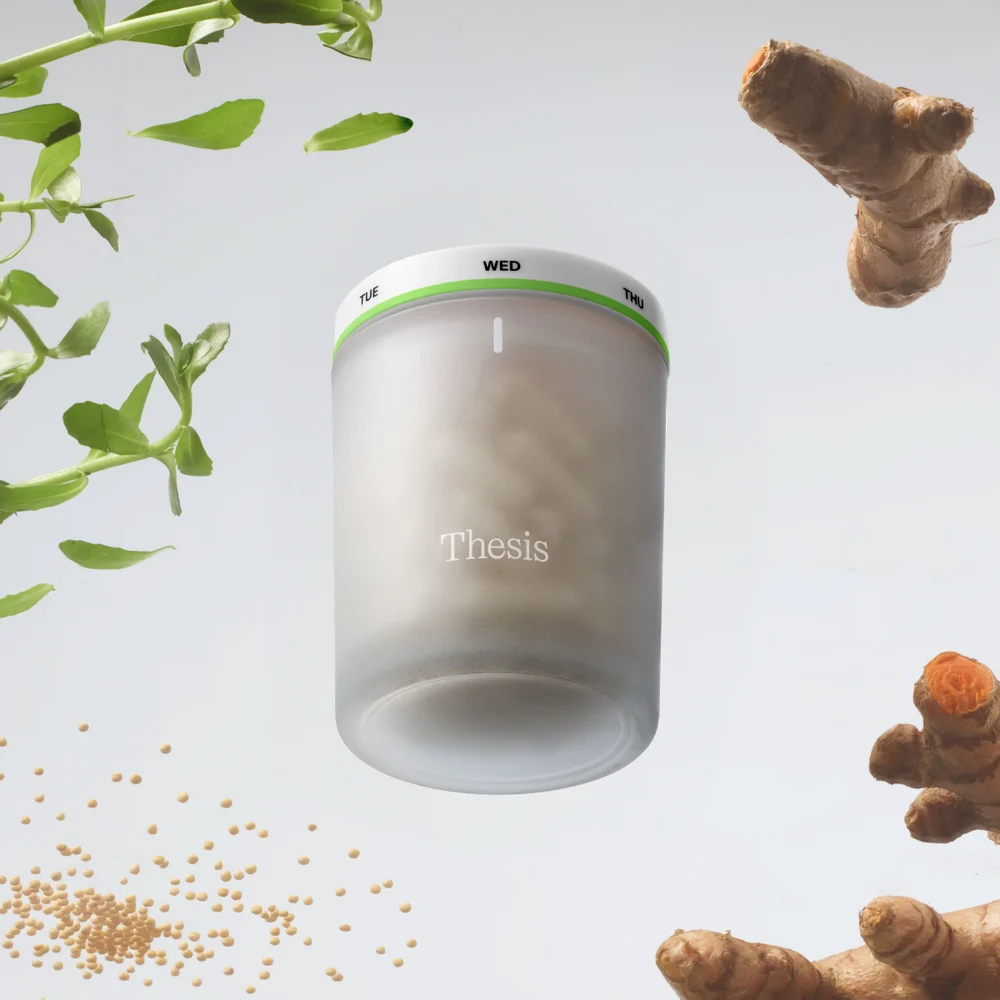

The panel on the back of the refill pouch lists every ingredient with its amount, two capsules a serving and 25 servings a month, and the extracts carry their standardizations or brand names.1 The directions are two capsules in the morning, with or without food. The caution box says not to take more than two capsules in 24 hours, and not to take it if you're pregnant, nursing or under 18.
The product page is less careful than the pouch. Its ingredient list drops the brand names and calls the CoQ10 a "Phosopholipid," but it does give every amount.2
“Neuroprotection is designed to activate the NRF2 antioxidant pathway and strengthen mitochondrial resilience”
UnverifiedNRF2 is a switch inside cells that turns on the body's own antioxidant defenses, and sulforaphane is one of the best-known things that flips it. That's why the broccoli and mustard seed are here.3 CoQ10, PQQ and NADH all have roles in how cells make energy. What we couldn't find is any study showing that this formula, or these amounts, changes NRF2 activity or mitochondria in people. The one memory trial of glucoraphanin we found used about twice Neuroprotection's amount.
“90% felt sharper, 87% noticed an improvement in memory”
PartlyThese figures come from a survey, and the footnote says so.2 It covered 31 customers who'd taken Neuroprotection for at least 30 days, there was no placebo group, and the people who answered got a 15 percent discount code. Surveys like this show that the customers who stayed are happy with it. That's worth something, but they can't separate the product from expectation.
“Thesis uses isolated, plant-derived compounds rather than blends or extractions.”
Doesn't hold upThis line is on Thesis's science page,4 and Neuroprotection's own label contradicts it. Bacopa, turmeric, broccoli seed and ginkgo are all listed as extracts, and the mustard seed is a powder.1 Extracts aren't a bad thing, and most of the research uses them, but the claim isn't true of this product.
“THIRD-PARTY TESTED”
UnverifiedThe product page shows the badge and a testing block saying every formula is checked for microbes, heavy metals, pesticides and the amounts on the label.2 Thesis's help center says it has batch certificates for raw ingredients and finished goods.5 We couldn't find any of them for Neuroprotection, and the product page links none, so we can't check the claim.
“With Neuroprotection, feel 50% less forgetful or get your money back.”
PartlyWhat's inside, audited
11 ingredients checked, 4 within range, 2 short, 3 above the range or at half credit, 2 with no studied range.
Within range (PQQ, NADH, caffeine, L-theanine). Short (curcumin, sulforaphane). Above the range or at half credit (CoQ10, ginkgo, bacopa). No studied range (white mustard seed, spermidine).
stem and leaf extract, min. 20% bacosides (not the studied form; ruling J only rescues named studied extracts) · Strong evidence
Doses used in studies that showed a benefit
Thesis Neuroprotection has 300 mg, between the 250 mg a day and the 640 mg single dose used in studies that showed a benefit, but the label doesn't confirm the form or extract those studies tested, so it earns half credit.7
Study dose benchmark from Raghav 2006, 125 mg twice a day, 12 weeks7
Bacopa is the biggest ingredient at 300 mg, comfortably above our 250 mg benchmark from a 12-week trial in people with age-associated memory impairment.7 The catch is the extract. Thesis's is a stem and leaf extract at a minimum of 20 percent bacosides, and the extracts in the trials are either named ones or standardized to 40 to 55 percent. At 20 percent, a serving holds about 60 mg of bacosides, roughly half what 250 mg of a 50 percent extract would give you, so it gets half credit.
GinkoSelect leaf extract, no 24/6 printed (ruling Z) · Moderate evidence
Doses used in studies that showed a benefit
Thesis Neuroprotection has 120 mg, the lowest daily dose used in studies that showed a benefit, but the label doesn't confirm the form or extract those studies tested, so it earns half credit.8
Study dose benchmark from Le Bars 1997, 120 mg a day, 52 weeks8
Ginkgo is 120 mg of GinkoSelect, Indena's leaf extract, and 120 mg is the dose in the trial we use as its benchmark.8 That trial used EGb 761, an extract standardized to 24 percent flavone glycosides and 6 percent terpene lactones, in people with dementia. The label doesn't print either figure, so we can't confirm it matches, and it gets half credit. It's also worth knowing that a meta-analysis of trials in healthy people found no effect of ginkgo on memory, attention or executive function.9
CuminUP60 turmeric extract 200 mg at min. 60% curcuminoids, 120 mg curcuminoids; neither Theracurmin nor Longvida · Moderate evidence
Doses used in studies that showed a benefit
Thesis Neuroprotection has 120 mg. The study dose we use as this ingredient's benchmark is 180 mg, so it's 60 mg short.10
Study dose benchmark from Small 2018, 90 mg curcumin twice a day, 18 months10
Turmeric is 200 mg of CuminUP60, a turmeric extract with at least 60 percent curcuminoids, so about 120 mg of curcuminoids. Our benchmark is the 180 mg of curcumin in Theracurmin, a form made to be absorbed better, which improved memory over 18 months in 40 adults aged 51 to 84.10 CuminUP60 is a different product with no memory trial we could find, so it's short on both the amount and the form.
broccoli seed extract 125 mg at min. 13% glucoraphanin, 16.25 mg glucoraphanin · Preliminary evidence
Doses used in studies that showed a benefit
Thesis Neuroprotection has 16.25 mg. The study dose we use as this ingredient's benchmark is 30 mg, so it's 13.75 mg short.3
Study dose benchmark from Shimizu 2026, 30 mg glucoraphanin a day, 42 months3
Broccoli seed and mustard seed work as a pair. The 125 mg of broccoli seed extract at 13 percent glucoraphanin gives about 16 mg of glucoraphanin, roughly half the 30 mg a day in a trial in older adults with memory problems.3 That trial is small, with 19 people finishing after three and a half years, and the company that funded it makes glucoraphanin. Your body needs an enzyme called myrosinase to turn glucoraphanin into sulforaphane, and the 50 mg of mustard seed is there to supply it. In a crossover study, a gram of brown mustard powder more than quadrupled the sulforaphane people absorbed from cooked broccoli.11 That was 20 times as much mustard, though, and brown mustard rather than the white mustard Thesis uses.
UbiQsome CoQ10 phytosome · Preliminary evidence
Doses used in studies that showed a benefit
Thesis Neuroprotection has 100 mg, the lowest daily dose used in studies that showed a benefit, but the label doesn't confirm the form or extract those studies tested, so it earns half credit.12 That 100 mg is the weight of the UbiQsome phytosome, though, and Indena standardizes it to about 20 percent CoQ10, so a serving holds roughly 20 mg of CoQ10.
Study dose benchmark from Mizuno 2020, 100 mg a day, 12 weeks12
CoQ10 is listed as 100 mg of UbiQsome CoEnzyme Q10 Phytosome. That's the weight of the whole ingredient, and Indena standardizes it to about 20 percent CoQ10,13 so a serving holds roughly 20 mg of CoQ10. Our benchmark is 100 mg of ubiquinol, which eased tiredness after mental tasks over 12 weeks in a trial funded by a ubiquinol maker.12 Phytosomes are designed to be absorbed better, but we found no trial of UbiQsome for focus or fatigue, so it gets half credit at most.
PQQ and NADH are the two that land cleanly. NutriPQQ is PQQ disodium salt at 20 mg, the dose in a 12-week trial in 41 older adults.14 NADH is 20 mg, twice the 10 mg in our benchmark trial, but that trial was in 26 people with chronic fatigue syndrome, where 8 responded to NADH and 2 to placebo.15 It doesn't tell you much about focus in healthy people.
caffeine · Strong evidence
Doses used in studies that showed a benefit
Thesis Neuroprotection has 100 mg, between the 40 and 300 mg single doses used in studies that showed a benefit.16
Study dose benchmark from McLellan 2016, about 40 to 300 mg a dose, across the trials it reviews16
L-theanine · Moderate evidence
Doses used in studies that showed a benefit
Thesis Neuroprotection has 100 mg, the lowest single dose used in studies that showed a benefit.17
Study dose benchmark from Dassanayake 2023, One dose of 100, 200 or 400 mg17
Caffeine and theanine are 100 mg each, both at or above our benchmarks,1617 and they're the reason the default version feels like anything on the day you take it. Thesis also sells Neuroprotection without them, and we've scored the caffeinated version because it's the default on the product page.2
Also on the label are white mustard seed 50 mg, spermidine 10 mg. We have no verified human dose range on file for these, so they stay in the formula count, earn nothing for dose and only a small fixed credit for evidence, which lowers the score.
Also on the label is selenium 200 mcg. It has no cognitive dose range for people who aren't deficient, so it doesn't count toward the formula score.
Spermidine and mustard seed have no research range we can score, so they earn nothing for dose. The spermidine is unusual. Ten milligrams of spermidine trihydrochloride works out at roughly 6 mg of spermidine, several times the 0.9 to 1.2 mg used in the human memory trials. The larger of those, a year-long trial in 100 older adults at 0.9 mg, found no effect on memory.1819 The 200 mcg of selenium is a mineral, so it isn't scored either.
Compare it yourself
Neuroprotection against its closest matches
| Product | Thesis NeuroprotectionThis review | 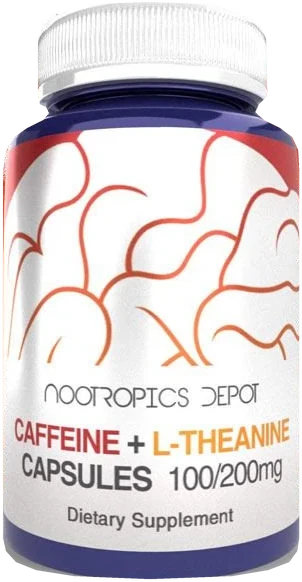 Caffeine + L-Theanine 100 mg / 200 mg Capsules | 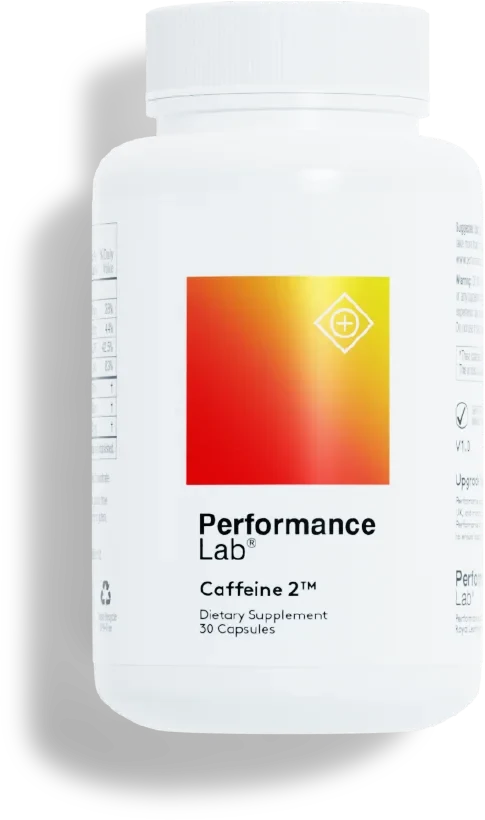 Caffeine 2 | 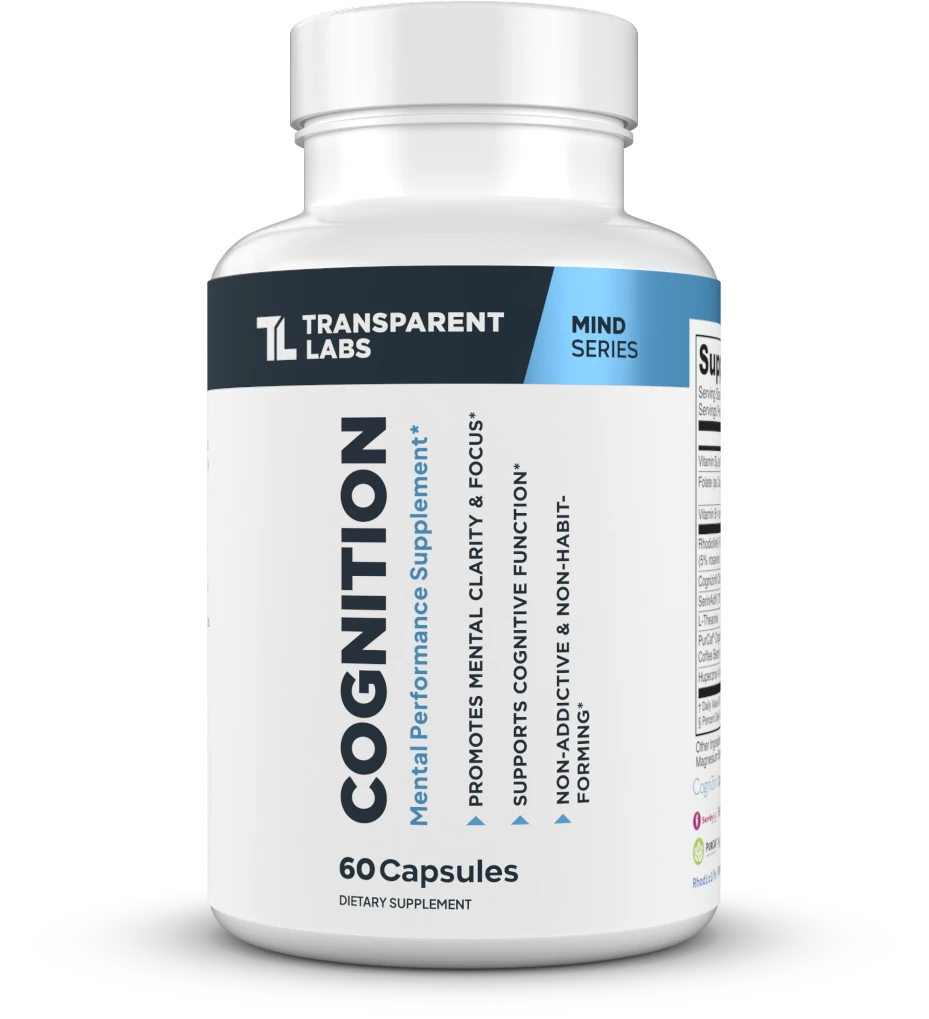 Transparent Labs Cognition |
|---|---|---|---|---|
| Scientific audit | 5.2/10 | 9.4/10 | 7.2/10 | 7.8/10 |
| Buyer rating | 9.8/10 | 8.8/10 | 8.8/10 | 9.7/10 |
| Price per serving | $5.16 | $0.33 | $1.47 | $1.67 |
| Doses of Thesis Neuroprotection's ingredients | ||||
| White Mustard Seed | 50 mgmustard seed powder, 5 enzyme units of myrosinaseNo cognitive dose range | Not in formula | Not in formula | Not in formula |
| PQQ | 20 mgNutriPQQ disodium saltAt or above the study dose benchmark | Not in formula | Not in formula | Not in formula |
| NADH | 20 mgreduced NADHAt or above the study dose benchmark | Not in formula | Not in formula | Not in formula |
| CoQ10 | 100 mgUbiQsome CoQ10 phytosomeHalf credit | Not in formula | Not in formula | Not in formula |
| Curcumin | 120 mgCuminUP60 turmeric extract 200 mg at min. 60% curcuminoids, 120 mg curcuminoids; neither Theracurmin nor Longvida60 mg below the study dose benchmark | Not in formula | Not in formula | Not in formula |
| Ginkgo Biloba | 120 mgGinkoSelect leaf extract, no 24/6 printed (ruling Z)Half credit | Not in formula | Not in formula | Not in formula |
| Sulforaphane | 16 mgbroccoli seed extract 125 mg at min. 13% glucoraphanin, 16.25 mg glucoraphanin14 mg below the study dose benchmark | Not in formula | Not in formula | Not in formula |
| Caffeine | 100 mgcaffeineAt or above the study dose benchmark | 100 mgcaffeine (anhydrous per the product page)At or above the study dose benchmark | 50 mgnatural caffeine from Coffea robusta seedsAt or above the study dose benchmark | 100 mgPurCaf organic caffeine from green coffee beanAt or above the study dose benchmark |
| L-Theanine | 100 mgL-theanineAt or above the study dose benchmark | 200 mgL-theanineAt or above the study dose benchmark | 100 mgL-theanineAt or above the study dose benchmark | 100 mgAt or above the study dose benchmark |
| Bacopa Monnieri | 300 mgstem and leaf extract, min. 20% bacosides (not the studied form; ruling J only rescues named studied extracts)Half credit | Not in formula | Not in formula | Not in formula |
| Spermidine | 10 mgspermidine 3HCl, far above the studied 0.9 to 1.2 mgNo cognitive dose range | Not in formula | Not in formula | Not in formula |
The products that share the most cognitive ingredients with Thesis Neuroprotection are shown first. Any product sharing at least two can be added.
Innerbody Labs Focus Support is the closest caffeinated alternative we've reviewed. It has the same 20 mg of PQQ, with caffeine, theanine and Cognizin citicoline, and it scores higher for $2.97 a serving. If you'd rather avoid caffeine, Nooceptin has bacopa and ginkgo for $2.23. Neither has Neuroprotection's broccoli seed, CoQ10 or NADH, though, so if those are what you're after, Thesis is one of the few places you'll find them together.
Price and where to buy
A month of Neuroprotection costs $129.00 as a one-time order, which is $5.16 a serving and one of the highest prices we've audited.2 The subscription is much cheaper. Its first box costs less than half the one-time price, and each box after that, delivered every 25 days, costs about a third more than the first but still well under the one-time price. Thesis sells it on its own site, and we didn't find it on Amazon.
- try.takethesis.com direct
- Listed price
- $129.00
- Per serving
- $5.16
- Status
- One-time purchase, 1-month bundle
What studied amounts cost separately
This prices the scored ingredients as separate bottles at the amounts their studies started from.
NADH 10 mg
Source Naturals NADH 10 mg Lozenges (out of stock at the brand site when we checked)
1 tablet of 10 mg
Curcumin 180 mg
400 mg Longvida (its studied dose)
Ginkgo 120 mg
1 capsule of 120 mg
Caffeine 40 mg
1 capsule of 100 mg, rounded up
Bought separately
$5.31 a day
$159.34 for 30 servings
Thesis Neuroprotection at try.takethesis.com
$5.16 a day
$154.80 for 30 servings
About the same as buying separately.
Bought separately at their study amounts, the nine come to about the same as a one-time box of Neuroprotection and more than the subscription price. The difference is that the separate bottles are the studied forms, a named bacopa extract, a standardized ginkgo, Longvida turmeric and plain CoQ10, so you'd be paying the same for ingredients that match the research more closely. It's also about ten capsules a day rather than two.
What other reviewers say
We couldn't find a review of Neuroprotection itself. Most Thesis reviews online still describe the old six-blend kit, which didn't include it. The newest one we found is on the blog of Roon, which sells a competing product. It says Neuroprotection is "Listed on the product page without amounts,"20 but the product page's ingredient list gives every amount.2
What buyers report
Safety notes
The 100 mg of caffeine is about a cup of coffee, so count it with whatever else you drink. Keep the day's total under 400 mg, the most the FDA cites as not generally linked with harm in healthy adults.21 The caffeine-free version avoids that altogether.
Ginkgo can raise the risk of bleeding if you take an anticoagulant such as warfarin, and the NIH says it may be unsafe in pregnancy.22 The 200 mcg of selenium is half the 400 mcg a day the NIH sets as the upper limit, so check any multivitamin you take for more.23 We also found no trial of spermidine at an amount this high. Thesis's caution box says not to use it if you're pregnant or nursing, and to ask a healthcare professional first if you have a medical condition or take medication.1 We're researchers, not doctors.
Final thoughts
Neuroprotection is more ambitious than most brain supplements, and Thesis deserves credit for printing every amount. Caffeine, theanine, PQQ and NADH are where they should be. But the ingredients with the most memory research are in forms the trials didn't use, the CoQ10 is about a fifth of what its label suggests, and no test report is published for this blend.
If you want the broccoli seed, CoQ10, PQQ and NADH idea in one pouch and you're happy to pay for it, the first-order refund gives you a fair way to try it. If memory is the goal, a bacopa or ginkgo product in the studied form will get you closer to the research for much less. Either way, give it about three months, since most of these ingredients were tested over 12 weeks or longer.
FAQ
Does Thesis Neuroprotection contain caffeine?
How do you take Neuroprotection?
How much CoQ10 is in Neuroprotection?
Is Thesis Neuroprotection third-party tested?
Does Thesis have a money-back guarantee?
Is Thesis Neuroprotection sold on Amazon?
How long does Neuroprotection take to work?
Sources
23 sources cited
- Thesis Neuroprotection supplement facts, back of the refill pouch, image on try.takethesis.com. 2 capsules a serving, 25 servings, selenium (amino acid chelate) 200 mcg, bacopa extract (stem and leaf, min. 20% bacosides) 300 mg, CuminUP60 turmeric extract (min. 60% curcuminoids) 200 mg, broccoli seed extract (min. 13% glucoraphanin) 125 mg, GinkoSelect ginkgo leaf extract 120 mg, caffeine 100 mg, L-theanine 100 mg, UbiQsome CoEnzyme Q10 Phytosome 100 mg, mustard seed powder (5 enzyme units of myrosinase) 50 mg, NutriPQQ (PQQ disodium salt) 20 mg, NADH 20 mg, spermidine 3HCl 10 mg, with the directions and caution. Accessed Nov 4, 2026. Label image
- Thesis (Outliers, Inc.). Neuroprotection product page. With and without caffeine, one-time $129 for a month, subscription $59 for the first box then $79 every 25 days, "designed to activate the NRF2 antioxidant pathway and strengthen mitochondrial resilience", the survey (June to July 2026, 31 customers, 15% discount code), "Clinically-proven, powerhouse ingredients" heading, "THIRD-PARTY TESTED" badge, the testing block, and "If you don't feel 50% improvement in your cognitive focus area within 30 days, we'll refund you for your entire purchase." Accessed Nov 4, 2026. takethesis.com
- Shimizu S, et al. Efficacy of 42-month oral administration of glucoraphanin in preventing cognitive decline in individuals at elevated risk of dementia, including those with mild cognitive impairment. A randomized, double-blind, placebo-controlled pilot study. Front Nutr, 2026. 30 mg glucoraphanin a day, 26 adults aged 63 to 90, 19 completed, funded by Kagome. PMID 41669080
- Thesis. The science page. "With Neuroprotection, feel 50% less forgetful or get your money back" and "Thesis uses isolated, plant-derived compounds rather than blends or extractions." Accessed Nov 4, 2026. takethesis.com/science
- Thesis help center. Do you have third-party testing? (updated June 4, 2026). "batch-specific COAs (Certificate of Analysis) for all raw ingredients and finished goods". Accessed Oct 29, 2026. thesis.applied.guide
- Thesis. Shipping and return policy (last updated May 9, 2024). A full refund including shipping, for any reason, within 30 days of delivery of your first order, and refunds apply to the first order only. Accessed Nov 4, 2026. takethesis.com/policies/refund-policy
- Raghav S, et al. Randomized controlled trial of standardized Bacopa monniera extract in age-associated memory impairment. Indian J Psychiatry, 2006. 125 mg twice a day for 12 weeks, improved mental control, logical memory and paired-associate learning. PMID 20703343
- Le Bars PL, et al. A placebo-controlled, double-blind, randomized trial of an extract of Ginkgo biloba for dementia. JAMA, 1997. EGb 761 at 120 mg a day for 52 weeks in 309 outpatients with Alzheimer's or multi-infarct dementia, ADAS-Cog 1.4 points better than placebo. PMID 9343463
- Laws KR, Sweetnam H, Kondel TK. Is Ginkgo biloba a cognitive enhancer in healthy individuals? A meta-analysis. Hum Psychopharmacol, 2012. No effect on memory, executive function or attention. PMID 23001963
- Small GW, et al. Memory and brain amyloid and tau effects of a bioavailable form of curcumin in non-demented adults. A double-blind, placebo-controlled 18-month trial. Am J Geriatr Psychiatry, 2018. Theracurmin with 90 mg of curcumin twice a day, 40 adults aged 51 to 84. PMID 29246725
- Okunade O, et al. Supplementation of the diet by exogenous myrosinase via mustard seeds to increase the bioavailability of sulforaphane in healthy human subjects after the consumption of cooked broccoli. Mol Nutr Food Res, 2018. 1 g of brown mustard powder with 200 g cooked broccoli, 12 adults, sulforaphane metabolite in urine more than four times higher. PMID 29806738
- Mizuno K, et al. Ubiquinol-10 intake is effective in relieving mild fatigue in healthy individuals. Nutrients, 2020. 100 or 150 mg ubiquinol a day for 12 weeks, about 20 adults a group, funded by Kaneka. PMID 32498248
- Indena. Brain health ingredients. Ubiqsome standardized to 18 to 22% coenzyme Q10 by HPLC. Accessed Nov 4, 2026. indena.com
- Itoh Y, et al. Effect of the antioxidant supplement pyrroloquinoline quinone disodium salt (BioPQQ) on cognitive functions. Adv Exp Med Biol, 2016. 20 mg a day for 12 weeks, 41 older adults. PMID 26782228
- Forsyth LM, et al. Therapeutic effects of oral NADH on the symptoms of patients with chronic fatigue syndrome. Ann Allergy Asthma Immunol, 1999. 10 mg of stabilized NADH (ENADA) a day for 4 weeks in a crossover, 26 patients, 8 responded on NADH and 2 on placebo. PMID 10071523
- McLellan TM, Caldwell JA, Lieberman HR. A review of caffeine's effects on cognitive, physical and occupational performance. Neurosci Biobehav Rev, 2016. PMID 27612937
- Dassanayake TL, et al. Dose-response effect of L-theanine on psychomotor speed, sustained attention, and inhibitory control. A double-blind, placebo-controlled, crossover study. Nutr Neurosci, 2023. Single doses of 100, 200 or 400 mg, 32 young adults. PMID 36263942
- Schwarz C, et al. Effects of spermidine supplementation on cognition and biomarkers in older adults with subjective cognitive decline. A randomized clinical trial. JAMA Netw Open, 2022. 0.9 mg spermidine a day from wheat germ for 12 months, 100 adults aged 60 to 90, no effect on memory. PMID 35616942
- Wirth M, et al. The effect of spermidine on memory performance in older adults at risk for dementia. A randomized controlled trial. Cortex, 2018. A spermidine-rich plant extract for 3 months, 30 adults aged 60 to 80, pilot. PMID 30388439
- Roon Team. Thesis nootropics review 2026, real cost of all 4 blends. Roon blog, published Mar 28, 2026, reviewed Oct 10, 2026. Neuroprotection "Listed on the product page without amounts". Roon sells a competing product. Accessed Nov 4, 2026. takeroon.com
- US Food and Drug Administration. Spilling the beans. How much caffeine is too much? 400 mg a day cited as not generally associated with negative effects for most adults. Accessed Nov 4, 2026. fda.gov
- National Center for Complementary and Integrative Health. Ginkgo. May increase the risk of bleeding with anticoagulants such as warfarin, may be unsafe in pregnancy. Last updated February 2025. Accessed Nov 4, 2026. nccih.nih.gov
- NIH Office of Dietary Supplements. Selenium, fact sheet for health professionals. Tolerable upper intake level 400 mcg a day for adults. Updated Sep 4, 2025. Accessed Nov 4, 2026. ods.od.nih.gov
Where this data comes from
- Price source
- try.takethesis.com $129.00 for 25 servings
- Third-party testing
- Third-party tested badge, but no certificate or lab report published for Neuroprotection
- How we reviewed it
- Label and evidence audit
Our scoring method, weights, and the rules that keep affiliate money away from scores are documented on the editorial process page.
Top Rated Nootropics is an independent research and review platform. We are passionate supplement researchers, not medical professionals. Always consult a qualified healthcare provider before starting any supplement regimen. These statements have not been evaluated by the Food and Drug Administration. These products are not intended to diagnose, treat, cure, or prevent any disease.