Brain Vitale Review 2026
 James BevanUpdated November 10, 2026
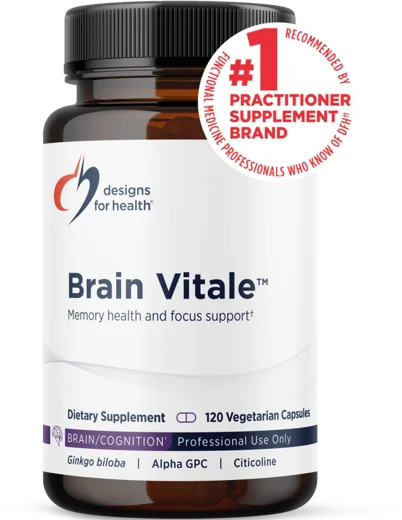
Brain Vitale is Designs for Health's memory and focus formula, with citicoline, alpha-GPC, acetyl-L-carnitine, phosphatidylserine, ginkgo and coffee fruit in two capsules. It's a practitioner brand with a clean label, but does that mean the doses match the research? We've checked each one against the studies, looked into the brand's testing and guarantee, and read what buyers say.
Quick verdict
Our scientific audit
Buyer rating
- Price per serving$2.62
- Doses in range1 of 6
- CaffeineTrace (under 2 mg)
- Money-back guarantee45 days
- Third-party testingUnverified, not on the brand's COA list
- Servings per bottle60
Costs $3.53 a day less than buying five of these six ingredients as separate bottles at the doses studies used. See the list.
Better-rated alternatives
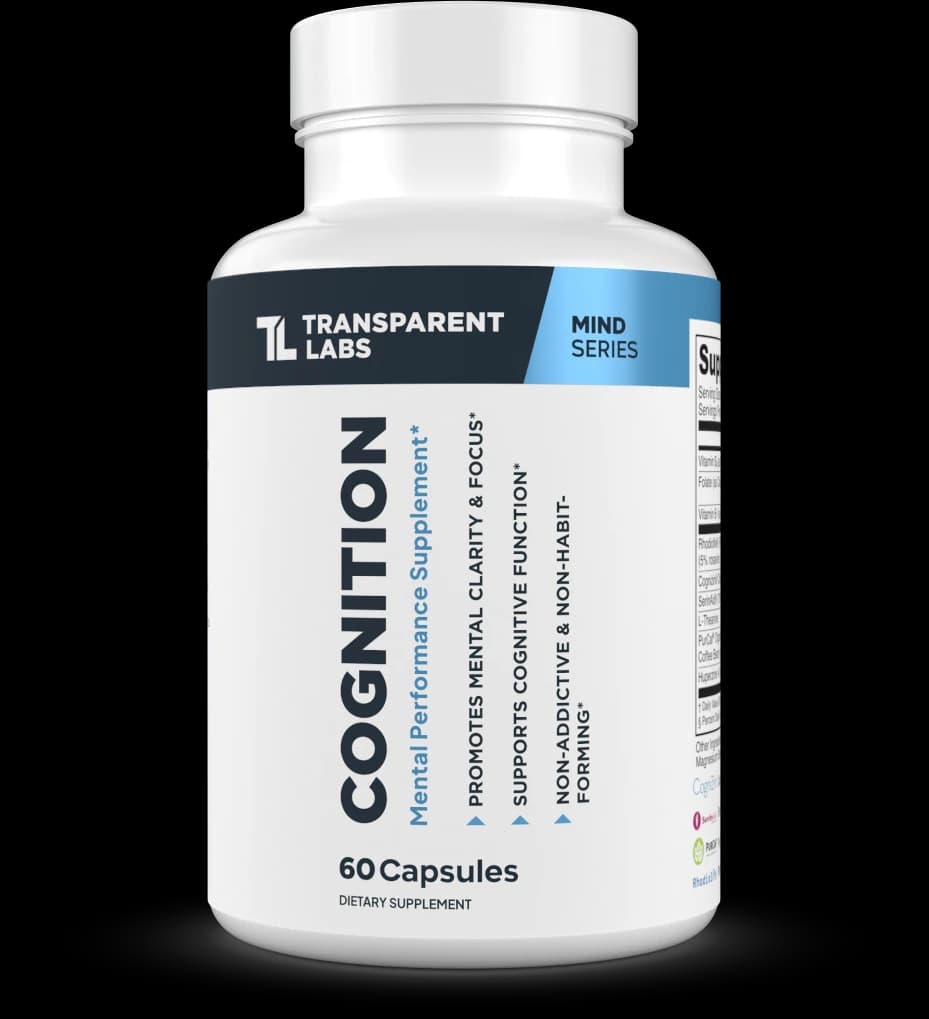 Transparent Labs CognitionScientific auditScientific audit 7.8/10Buyer ratingBuyer rating 9.7/10
4 of 6 ingredients at studied amounts
Shares 2 ingredients with Brain Vitale
Check price$1.67 a day
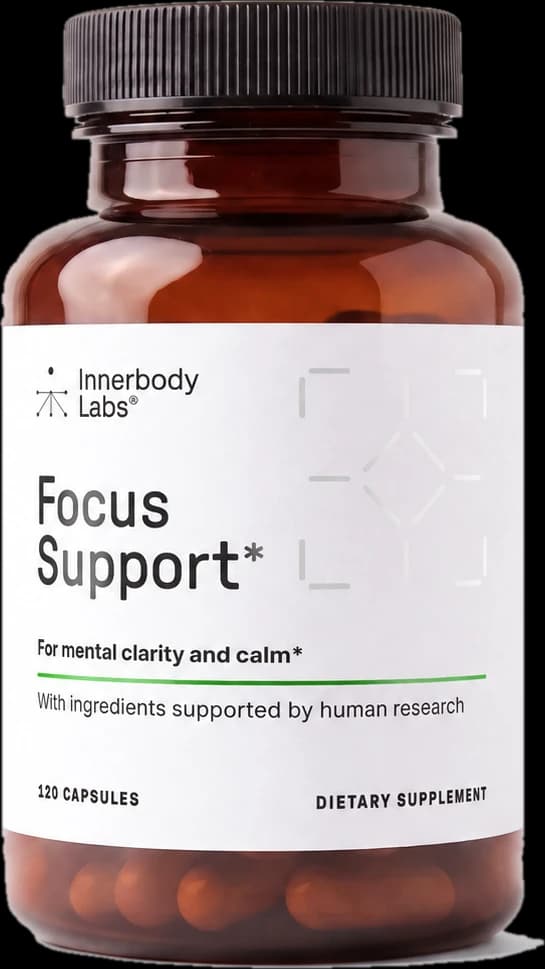 Focus SupportScientific auditScientific audit 6.5/10Buyer ratingBuyer rating 9.2/10
5 of 10 ingredients at studied amounts
Shares 2 ingredients with Brain Vitale
Check price$2.97 a day
We may earn a commission from links on this page, at no extra cost to you. How we make money
In this review
What's good, and what isn't
Pros
- Citicoline is 250 mg of Cognizin, the lowest dose in a trial with a benefit
- Every amount and branded form is printed, with no blend
- A 45-day refund or replacement guarantee on bottles from the brand or its authorized sellers
Cons
- Acetyl-L-carnitine and phosphatidylserine are a third of their studied doses, and coffee fruit is half
- The ginkgo is 24 percent and 5.4 percent, close to the studied extract but not the same
- Brain Vitale isn't on the brand's certificate of analysis list
Why Brain Vitale scored 4.8 out of 10 in our scientific audit
- Dose fit40%55
Citicoline (250 mg of Cognizin) earns full credit. Alpha-GPC is 200 of 315 mg, coffee fruit 100 of 200 mg, phosphatidylserine 100 of 300 mg and acetyl-L-carnitine 500 of 1,500 mg. The ginkgo is 100 of 120 mg but gets half credit at most, because 24 percent and 5.4 percent isn't the 24 and 6 percent extract the trials used.
- Evidence30%28
Each ingredient's evidence counts in proportion to its dose credit. The ginkgo, phosphatidylserine and acetyl-L-carnitine trials were in people with dementia or memory problems, and the three in healthy adults were small.
- Transparency20%90
Every amount and branded form is printed and nothing sits in a blend. It loses points because we read the label from the brand's image, and the product page's typed panel puts the ginkgo's 24 percent in the Daily Value column.
- Testing10%0
The brand says it tests every batch and lists certificates by lot, but we found none for Brain Vitale.
Worked out under method audit-v2.0. How the rating is built
Score history
Nov 10, 2026 First audit published (4.8)
We checked the label, compared each dose with the human research and published the review.
Brain Vitale prints every amount and names its branded forms, but only one of its six actives is at the amount its studies started from. That's the 250 mg of citicoline, which gets full credit. Alpha-GPC comes closest after it at 200 of 315 mg, and the rest are at half credit or less. The ginkgo is the frustrating one, because 100 mg is only 20 mg short, but its extract isn't the one the trials used, so it's capped at half.
The evidence score is low for the same reason, since it follows the dose credit, and half of the benchmark trials were in people with dementia or memory problems rather than healthy adults. Transparency holds up well, and testing scores zero, because the brand's own certificate page doesn't list Brain Vitale.
The claims, checked
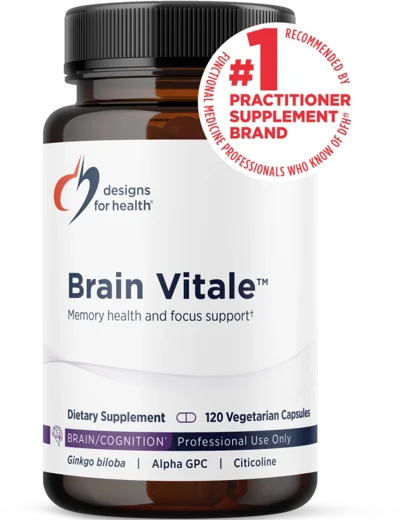
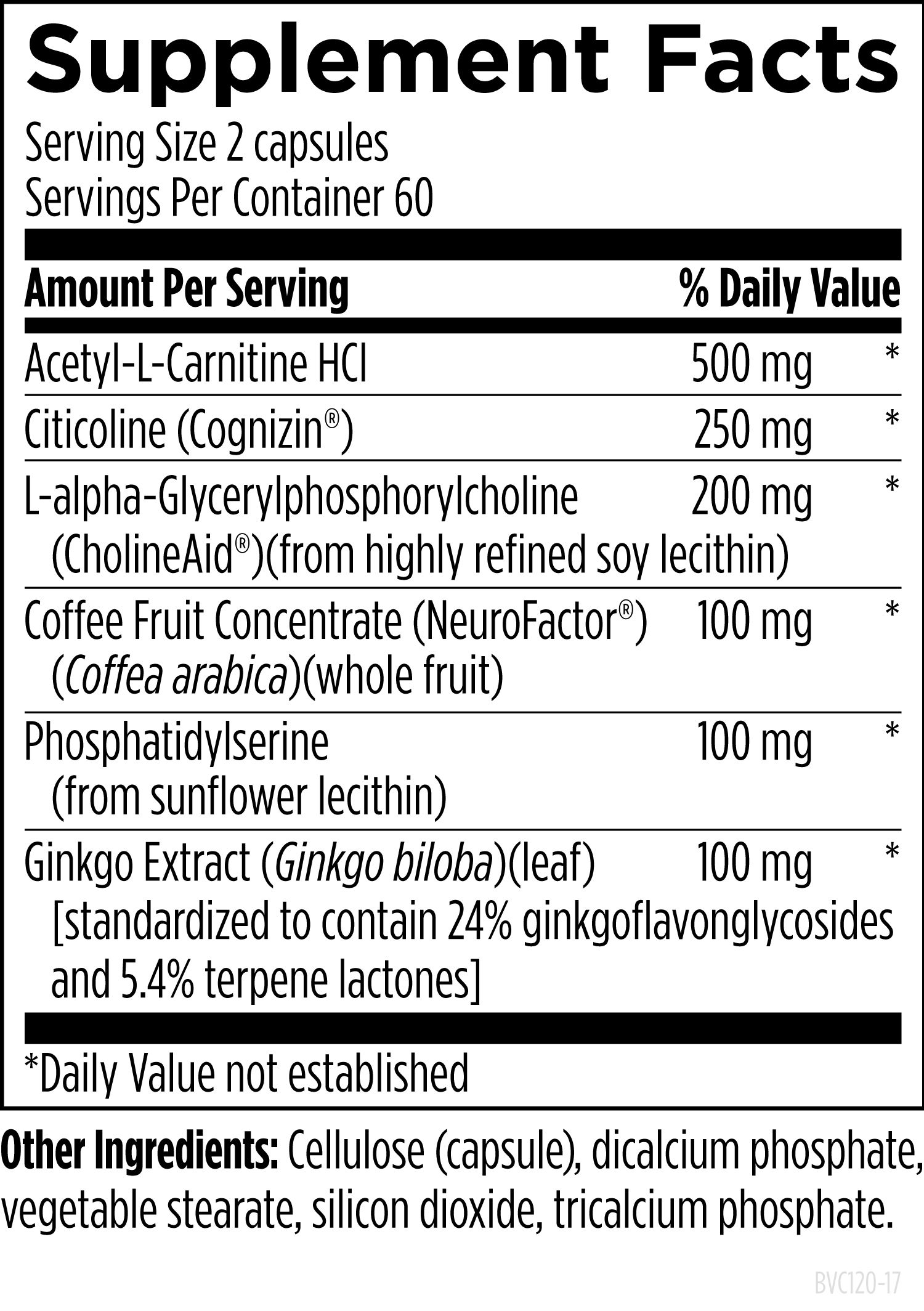
The label lists six ingredients in a 2-capsule serving, with 60 servings in the 120-capsule bottle and no blend.1 Every ingredient has its amount, and the branded forms are named, so there's nothing to work out. The product page is a little messier. Its typed-out version of the panel puts the ginkgo's 24 percent in the Daily Value column.2 The page also carries a soy protein-free badge, and the alpha-GPC comes from soy lecithin. If you're allergic to soy, go by the label.
The directions are 2 capsules a day with meals. The bottle also says "Professional Use Only", although the brand's site sells it to anyone without a practitioner account.2
“Helps support focus, attention, and concentration”
PartlyThe citicoline gives this some backing. Its 250 mg matches a dose that helped attention in healthy middle-aged women over four weeks.3 That's one small trial of one ingredient, though, and we found no trial of Brain Vitale itself.
“Together they provide more comprehensive choline support than either form alone”
Unverified“The coffee fruit concentrate (NeuroFactor) is included specifically to support BDNF levels”
PartlyThe 100 mg here is the dose from the study behind this claim. A single 100 mg dose raised BDNF, a protein linked to learning and memory, in the blood of groups of about 10 fasting adults over two hours.5 That's a blood marker measured once, not a memory result, and the trial that did test memory used 200 mg a day.6
“We test every batch of our products”
UnverifiedThe brand's certificate page makes this promise and lists certificates of analysis by product and lot number, which is more than most brands publish. Brain Vitale isn't on the list, though.7 The page says to call customer service if your product isn't there, but until a report is public, there's nothing for you to check.
What's inside, audited
6 ingredients checked, 1 within range, 5 short.
Within range (citicoline). Short (acetyl-L-carnitine, alpha-GPC, coffee fruit extract, ginkgo, phosphatidylserine).
Cognizin · Preliminary evidence
Doses used in studies that showed a benefit
Brain Vitale has 250 mg, the lowest daily dose used in studies that showed a benefit.3
Study dose benchmark from McGlade 2012, 250 or 500 mg a day, 28 days3
Citicoline is 250 mg of Cognizin, the branded form, and that's the strongest part of the formula. It matches the lower of the two doses in a 28-day trial in 60 healthy women aged 40 to 60, where both doses did better than placebo on an attention task.3 It's a small trial, but it was in healthy adults, which is more than most of the research here can say.
CholineAid (from soy lecithin) · Preliminary evidence
Doses used in studies that showed a benefit
Brain Vitale has 200 mg. The study dose we use as this ingredient's benchmark is 315 mg, so it's 115 mg short.4
Study dose benchmark from Kerksick 2024, 315 or 630 mg, single dose4
Alpha-GPC is 200 mg of CholineAid, made from soy lecithin. Our benchmark is the lower of the two single doses, 315 mg, in a trial of 20 healthy men, paid for by the ingredient's maker, that found better scores on one of three attention tests.4 That puts Brain Vitale about two thirds of the way there. The brand says pairing it with citicoline gives better choline support than either alone, which we cover in the claims above.
leaf extract, 24% flavone glycosides, 5.4% terpene lactones · Moderate evidence
Doses used in studies that showed a benefit
Brain Vitale has 100 mg. The study dose we use as this ingredient's benchmark is 120 mg, so it's 20 mg short.8 The trials used EGb 761, standardized to 24% flavone glycosides and 6% terpene lactones. This extract prints 5.4%, so it gets half credit at most.
Study dose benchmark from Le Bars 1997, 120 mg a day, 52 weeks8
Ginkgo is 100 mg of leaf extract, standardized to 24 percent flavone glycosides and 5.4 percent terpene lactones.1 The trial we use as its benchmark gave 120 mg a day of EGb 761, an extract at 24 percent and 6 percent, to 309 people with dementia for a year.8 So the dose is close and the extract is similar, but it isn't the same one, and we only give full credit for the studied extract. That caps it at half.
NeuroFactor whole coffee fruit concentrate · Preliminary evidence
Doses used in studies that showed a benefit
Brain Vitale has 100 mg. The study dose we use as this ingredient's benchmark is 200 mg, so it's 100 mg short.6
Study dose benchmark from Robinson 2024, 200 mg6
from sunflower lecithin · Moderate evidence
Doses used in studies that showed a benefit
Brain Vitale has 100 mg. The study dose we use as this ingredient's benchmark is 300 mg, so it's 200 mg short.9
Study dose benchmark from Crook 1991, 100 mg three times a day, 12 weeks9
acetyl-L-carnitine HCl · Moderate evidence
Doses used in studies that showed a benefit
Brain Vitale has 500 mg. The study dose we use as this ingredient's benchmark is 1,500 mg, so it's 1,000 mg short.10
Study dose benchmark from Yang 2018, 500 mg three times a day, 28 weeks10
Coffee fruit, phosphatidylserine and acetyl-L-carnitine are where the doses fall furthest. The 100 mg of NeuroFactor coffee fruit is half the 200 mg a day in a 28-day trial that the extract's maker paid for.6 The 100 mg of phosphatidylserine from sunflower is a third of the 300 mg a day that improved memory in older adults, and that trial used a form from cow brain that isn't sold anymore.9 A trial of plant phosphatidylserine at 300 and 600 mg a day found no difference from placebo,11 so even a full dose would be uncertain. The 500 mg of acetyl-L-carnitine is a third of the 1,500 mg a day given to people with dementia after strokes for 28 weeks.10
Compare it yourself
Brain Vitale against its closest matches
| Product | BBrain VitaleThis review | 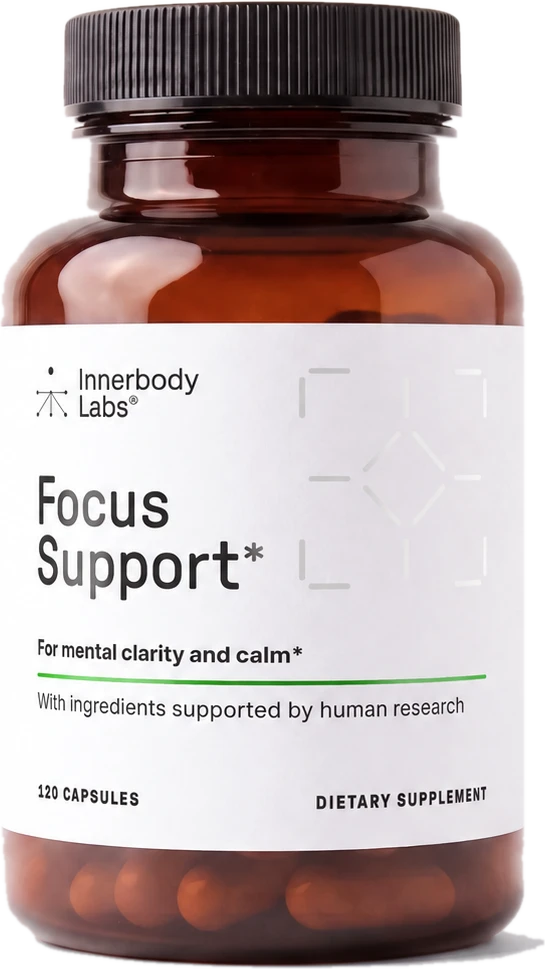 Focus Support | 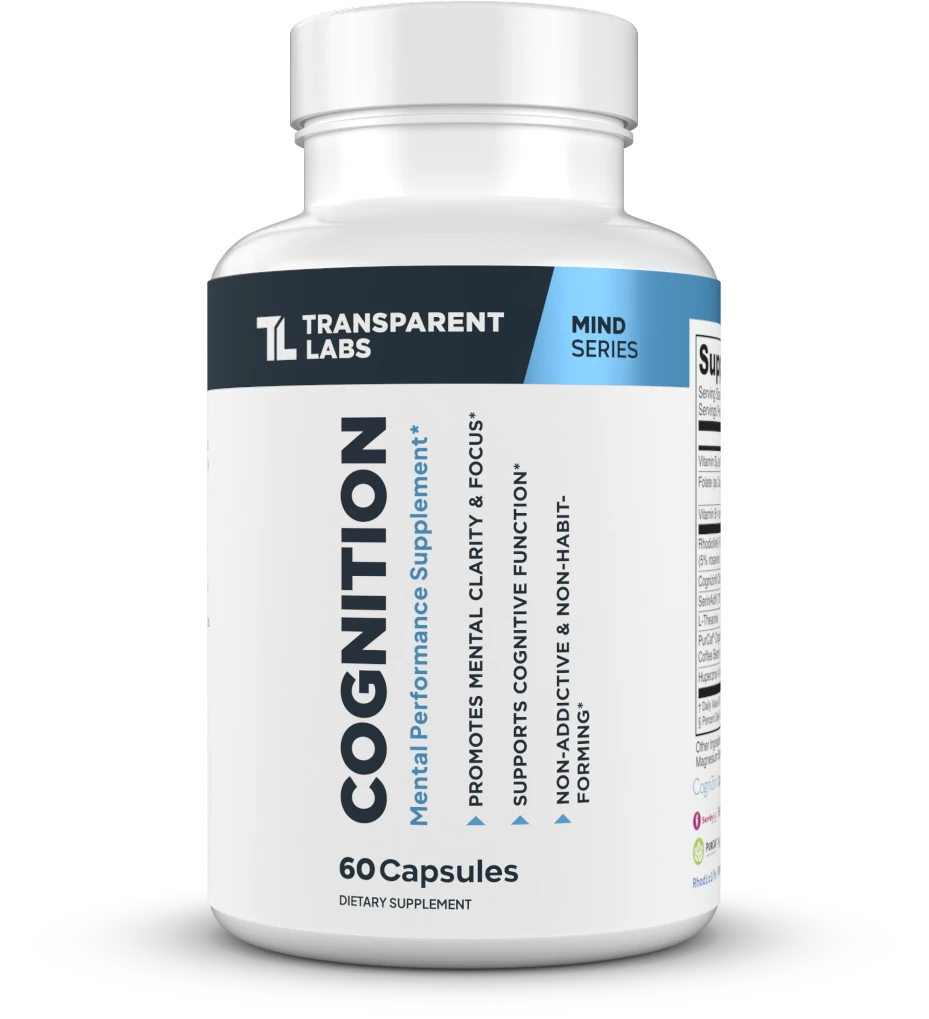 Transparent Labs Cognition |  Qualia Mind |
|---|---|---|---|---|
| Scientific audit | 4.8/10 | 6.5/10 | 7.8/10 | 4.8/10 |
| Buyer rating | 9.2/10 | 9.2/10 | 9.7/10 | 8.7/10 |
| Price per serving | $2.62 | $2.97 | $1.67 | $7.95 |
| Doses of Brain Vitale's ingredients | ||||
| Acetyl-L-Carnitine | 500 mgacetyl-L-carnitine HCl1,000 mg below the study dose benchmark | Not in formula | Not in formula | 500 mgHCl1,000 mg below the study dose benchmark |
| Citicoline | 250 mgCognizinAt or above the study dose benchmark | 500 mgCognizinAt or above the study dose benchmark | 250 mgCognizinAt or above the study dose benchmark | 50 mgCognizin®200 mg below the study dose benchmark |
| Alpha GPC | 200 mgCholineAid (from soy lecithin)115 mg below the study dose benchmark | Not in formula | Not in formula | 115 mg200 mg below the study dose benchmark |
| Coffee Fruit Extract | 100 mgNeuroFactor whole coffee fruit concentrate100 mg below the study dose benchmark | Not in formula | Not in formula | Not in formula |
| Ginkgo Biloba | 100 mgleaf extract, 24% flavone glycosides, 5.4% terpene lactones20 mg below the study dose benchmark | Not in formula | Not in formula | 120 mg24% glycosidesHalf credit |
| Phosphatidylserine | 100 mgfrom sunflower lecithin200 mg below the study dose benchmark | 300 mgsource not stated; the product page says 'Phosphatidylserine 50%'Half credit | 140 mgSerinAid (200 mg at 70% phosphatidylserine)160 mg below the study dose benchmark | 100 mgsunflower lecithin200 mg below the study dose benchmark |
The products that share the most cognitive ingredients with Brain Vitale are shown first. Any product sharing at least two can be added.
The closest matches each share part of the formula. Mind Lab Pro has the same 100 mg of sunflower phosphatidylserine and adds bacopa and theanine, for $2.30 a serving. If it's the ginkgo you want, NeuroQ has 120 mg printed at 24 percent and 6 percent, the studied standardization, for $2.67 a serving. And Neuriva Plus gives you 200 mg of the same NeuroFactor coffee fruit with phosphatidylserine in a single capsule.
Price and where to buy
The 120-capsule bottle costs $157.49 on the brand's site, which is $2.62 a serving, and there's no subscription discount. The 60-capsule bottle costs more per serving.2 Designs for Health also sells it through its own Amazon store.12
- designsforhealth.com direct
- Listed price
- $157.49
- Per serving
- $2.62
- Status
- In stock (120 count, one-time)
What studied amounts cost separately
This lists the six ingredients we score as separate bottles at the amounts their studies started from. There's no coffee fruit pick, so five are priced.
Alpha-GPC 315 mg
2 capsules of 150 mg
Kerksick 2024 gave 315 mg, and this label recommends up to two 150 mg capsules a day, 300 mg.
Coffee fruit extract 200 mg
No pick. None of the brands we buy from sells coffee fruit extract, and the trials used whole coffee cherry extract (NeuroFactor), not the coffee bean extract on NeuroQ's label.
Ginkgo 120 mg
1 capsule of 120 mg
Bought separately, without coffee fruit extract
$6.16 a day
$184.75 for 30 servings
Brain Vitale at designsforhealth.com
$2.62 a day
$78.75 for 30 servings
Buying five of the six separately costs $3.53 a day more ($106.01 for 30 servings). We don't pick a coffee fruit extract product as a single bottle, and the list says why.
What other reviewers say
We found no independent review of Brain Vitale. The pages that rank for it are almost all practitioner stores reselling it with the brand's own description, which isn't much help if you're trying to decide whether to buy it.
What buyers report
Safety notes
The ginkgo is the main thing to watch. The NIH says it may raise the risk of bleeding in people on anticoagulants such as warfarin and may be unsafe in pregnancy,14 so we'd leave it alone if you're pregnant. The brand's own warning names blood thinners in particular, so if you take one, are breastfeeding or take any prescription medication, check with your doctor before starting it.2 The alpha-GPC comes from soy lecithin, which matters if you have a soy allergy. We're researchers, not doctors.
Final thoughts
Brain Vitale gets the label right, and its citicoline is a properly dosed, branded form. Most of the rest is a third to two thirds of the amounts in the research, though, and the ginkgo is close to the studied extract without being it. So you're paying for well-chosen ingredients at doses below what the research used, and it costs more a serving than the typical formula we've audited.
If you like the idea of citicoline and alpha-GPC together and you're happy to pay for a brand that practitioners stock, it's a tidy, honest formula. If you want each ingredient at the amount its studies used, you'd need to buy most of them on their own, which costs more than twice as much a day.
FAQ
What is Brain Vitale for?
How do you take Brain Vitale?
Does Brain Vitale contain caffeine?
Can you take Brain Vitale with blood thinners?
Is Brain Vitale third-party tested?
Does Brain Vitale have a money-back guarantee?
Sources
14 sources cited
- Designs for Health. Brain Vitale supplement facts image, 120 capsules (BVC120-17), on the product page. 2 capsules a serving, 60 servings, acetyl-L-carnitine HCl 500 mg, citicoline (Cognizin) 250 mg, L-alpha-glycerylphosphorylcholine (CholineAid, from highly refined soy lecithin) 200 mg, coffee fruit concentrate (NeuroFactor, whole fruit) 100 mg, phosphatidylserine (from sunflower lecithin) 100 mg, ginkgo leaf extract 100 mg "standardized to contain 24% ginkgoflavonglycosides and 5.4% terpene lactones". Accessed Nov 10, 2026. Label image
- Designs for Health. Brain Vitale product page. 120 capsules $157.49, 60 capsules $88.99, "Take 2 capsules per day with meals", a warning for pregnancy, lactation and prescription medication, "especially blood thinners or anticoagulants", "Helps support focus, attention, and concentration", "Together they provide more comprehensive choline support than either form alone", coffee fruit "included specifically to support BDNF levels", a "Soy Protein-Free" badge, and a text supplement panel that shows the ginkgo's 24% in the Daily Value column. Accessed Nov 10, 2026. designsforhealth.com
- McGlade E, et al. Improved attentional performance following citicoline administration in healthy adult women. Food Nutr Sci, 2012. 250 or 500 mg a day for 28 days, 60 women aged 40 to 60. doi.org
- Kerksick CM. Acute alpha-glycerylphosphorylcholine supplementation enhances cognitive performance in healthy men. Nutrients, 2024. Single doses of 315 mg and 630 mg, 20 men. PMID 39683633
- Reyes-Izquierdo T, et al. Modulatory effect of coffee fruit extract on plasma levels of brain-derived neurotrophic factor in healthy subjects. Br J Nutr, 2013. A single 100 mg dose, groups of about 10 fasted adults, plasma BDNF measured for two hours. PMID 23312069
- Robinson JL, et al. Whole coffee cherry extract improves working memory and response inhibition. Acute and longitudinal results from a remote, randomized, double-blind, placebo-controlled clinical trial. Nutrients, 2024. 200 mg a day for 28 days, adults aged 40 to 65, sponsored by VDF FutureCeuticals, which makes the extract. PMID 39064791
- Designs for Health. Certificate of Analysis page. "We test every batch of our products", with certificates listed by product and lot number. Brain Vitale isn't listed. Accessed Nov 10, 2026. designsforhealth.com/certificate-of-analysis
- Le Bars PL, et al. A placebo-controlled, double-blind, randomized trial of an extract of Ginkgo biloba for dementia. JAMA, 1997. EGb 761 at 120 mg a day for 52 weeks in 309 outpatients with Alzheimer's or multi-infarct dementia. PMID 9343463
- Crook TH, et al. Effects of phosphatidylserine in age-associated memory impairment. Neurology, 1991. 100 mg of bovine cortex phosphatidylserine three times a day for 12 weeks, 149 adults. PMID 2027477
- Yang Y, et al. A multicenter, randomized, double-blind, placebo-controlled clinical trial for efficacy of acetyl-L-carnitine in patients with dementia associated with cerebrovascular disease. Dement Neurocogn Disord, 2018. 500 mg three times a day for 28 weeks, 56 patients. PMID 30906386
- Jorissen BL, et al. The influence of soy-derived phosphatidylserine on cognition in age-associated memory impairment. Nutr Neurosci, 2001. 300 or 600 mg a day for 12 weeks, 120 older adults, no significant differences from placebo. PMID 11842880
- Amazon. Designs for Health Brain Vitale, 60 and 120 capsules, B000FGWBD8 and B004T20AYQ, sold by Designs for Health. Accessed Oct 23, 2026. amazon.com
- Designs for Health. Satisfaction Guarantee, effective March 4, 2026. Replacement or refund within 45 days of purchase from Designs for Health or an authorized US seller, original US end users only, shipping and handling not refunded, not available for products bought from unauthorized sellers "including unauthorized internet websites or marketplace sellers on Amazon". Accessed Nov 10, 2026. designsforhealth.com/satisfactionguarantee
- National Center for Complementary and Integrative Health. Ginkgo, usefulness and safety. May increase the risk of bleeding in people taking anticoagulant drugs such as warfarin, may be unsafe during pregnancy. Last updated February 2025. Accessed Nov 10, 2026. nccih.nih.gov
Where this data comes from
- Price source
- designsforhealth.com $157.49 for 60 servings
- Third-party testing
- The brand says it tests every batch, but Brain Vitale isn't on its certificate of analysis list
- How we reviewed it
- Label and evidence audit
Our scoring method, weights, and the rules that keep affiliate money away from scores are documented on the editorial process page.
Top Rated Nootropics is an independent research and review platform. We are passionate supplement researchers, not medical professionals. Always consult a qualified healthcare provider before starting any supplement regimen. These statements have not been evaluated by the Food and Drug Administration. These products are not intended to diagnose, treat, cure, or prevent any disease.